Contact
Address
14007 Galliano Court
Rancho Cucamonga, CA 91739
Michael Mucino | CA DRE# 01374697
Lisa Mucino | CA DRE# 01976041
By the Numbers
The Rancho Cucamonga housing market has transitioned into a highly balanced, neutral territory as buyers navigate a landscape shaped by stabilized mortgage rates and increased caution. While the total volume of homes sold has seen a modest year-over-year increase—climbing to 276 transactions—overall buying competition has cooled compared to the frantic paces of prior years, causing the median sale price to contract slightly by 4.4%. Properties are resting on the market a bit longer, taking a median of 41 days to go under contract compared to 33 days at this same time last year. Sellers are still pulling in close to their asking prices, capturing roughly 99% of their initial list price, which indicates that while buyers have recovered some negotiating leverage and breathing room, home values are resisting any severe downward trends.
Purchasing a raw lot or vacant land parcel in Rancho Cucamonga provides a unique level of risk mitigation that is practically non-existent in other developing regions of California or the country. Through its strict General Plan updates, the city has explicitly zoned its remaining vacant land parcels, with roughly 55% of all municipal land strictly designated for residential use—90% of which is rigidly locked into single-family zoning. This means when you purchase a parcel in the Very Low (VL) or Low (L) residential tiers, particularly in the northern foothills of Alta Loma or the customized blocks of Etiwanda, you are legally shielded from the sudden, disruptive commercial encroachment or erratic high-density zoning shifts that plague other open-land markets. Unlike parts of Texas, Arizona, or un-zoned California exurbs where a neighboring empty lot could overnight transform into a distribution warehouse or multi-story apartment complex, Rancho Cucamonga’s hyper-specific municipal mapping guarantees your custom-built estate will always be surrounded exclusively by properties of equal or greater prestige.
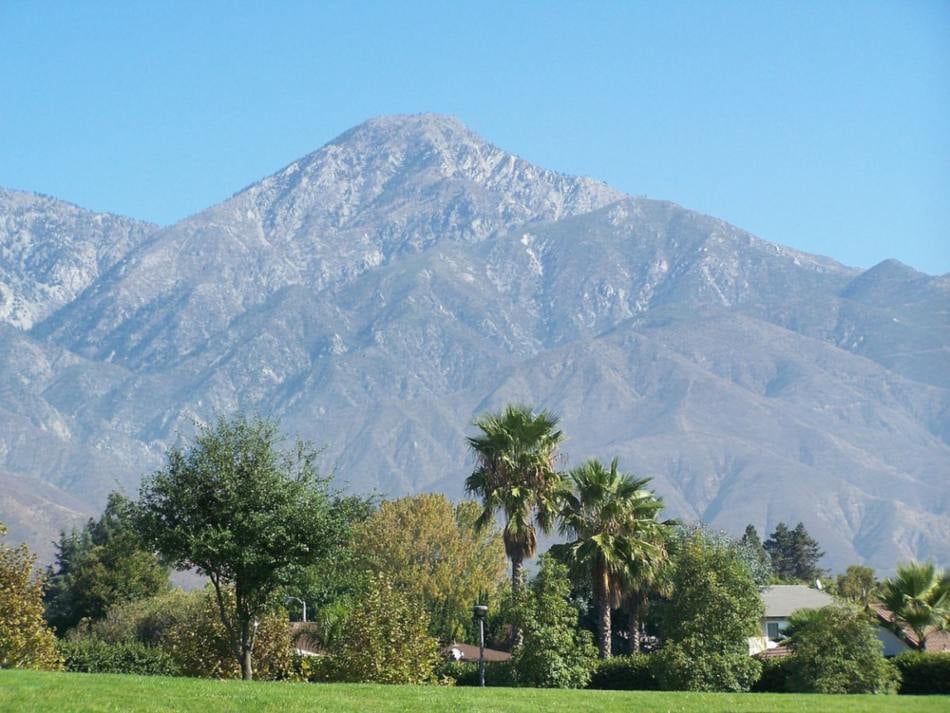
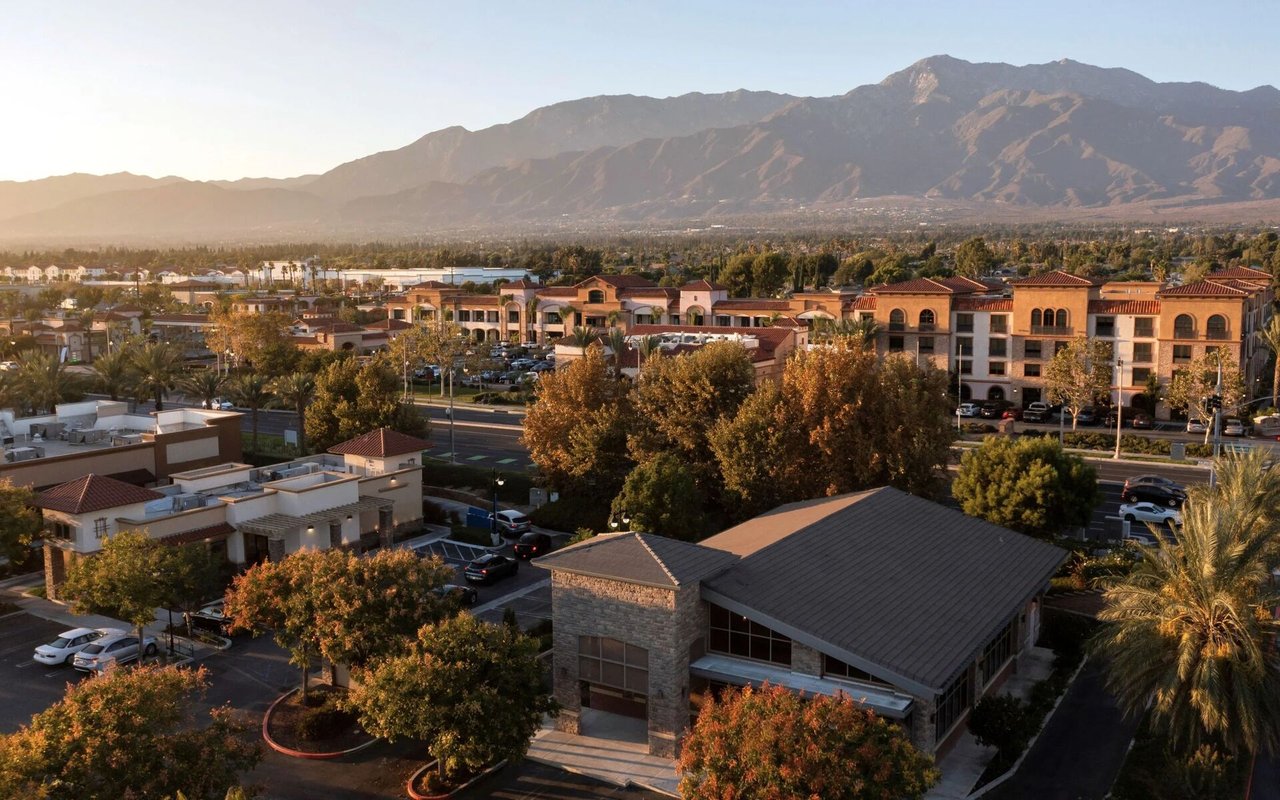
From a pure land-valuation perspective, buying a lot in Rancho Cucamonga places you in an elite "infill" scenario, creating a high floor for long-term appreciation. The city is geographically bounded by the San Gabriel Mountains to the north, Ontario to the south, Fontana to the east, and Upland to the west, meaning its physical footprint is entirely fixed and virtually built out. Buying land here is fundamentally different from purchasing an acreage lot in open regions like Riverside County, Lancaster, or out-of-state markets like Nevada, where developers can endlessly expand outward, diluting land scarcity. Vacant land in Rancho Cucamonga is a rapidly evaporating luxury asset; any remaining parcel represents one of the final opportunities to construct a custom single-family footprint inside a premier Inland Empire city. You are capturing a finite resource in a market where demand consistently outstrips available land, ensuring that your underlying land value carries a distinct structural premium.
One of the most financially draining traps of buying vacant land across the United States is the staggering cost of bringing off-grid infrastructure—such as water mains, electricity lines, and paved access roads—to the property line. Rancho Cucamonga’s meticulously engineered master plans entirely eliminate this burden. The city's development codes require that even standard residential parcels interface with highly structured public rights-of-way, meaning the vast majority of available lots are true "infill" pieces with immediate access to modern utility tie-ins, managed subterranean water basins via the Cucamonga Valley Water District, and established municipal street layouts. You gain the creative freedom to build a completely tailored, modern architectural masterpiece from scratch, without the logistical nightmares, immense capital expenditure, and multi-year utility delays commonly associated with buying land in rural, coastal, or less structured municipal jurisdictions.
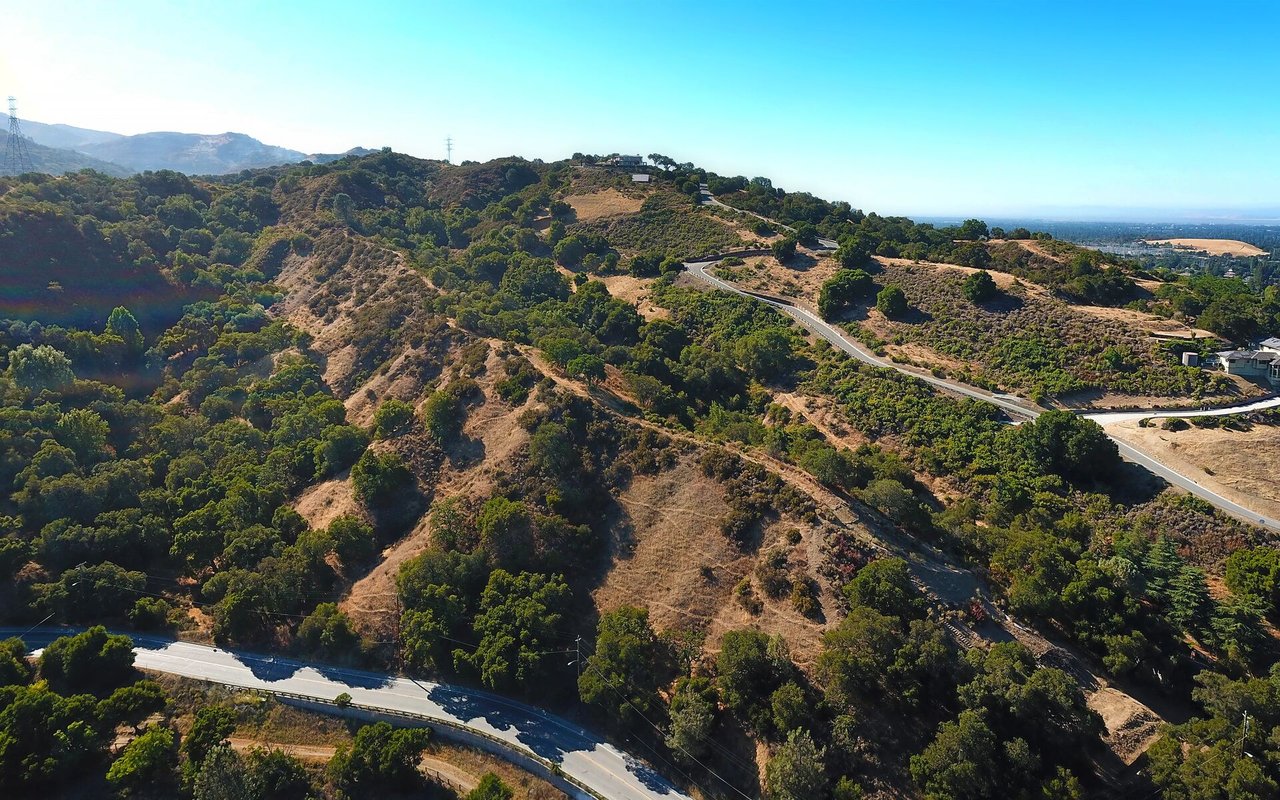
If you are eyeing raw land parcels in the breathtaking northern ridges of Alta Loma or the foothills of Etiwanda to build a custom estate, the angle of the terrain dictates your entire budget and building timeline. Under Chapter 17.52 of the Rancho Cucamonga Development Code, the city enforces highly stringent Hillside Development Regulations that trigger automatically for any parcel featuring a natural slope of 16% or greater.
The city divides hillsides into strict Slope Zones. Once a lot hits Slope Zone 4 (15% to 29.9% slope), conventional "flat pad" grading is completely prohibited. Instead, the city forces you into a extensive Hillside Development Review process requiring custom, low-impact architectural methods such as stepped foundations, pole-supported structures, or complex split-level engineering designed to conform to the natural landscape. Furthermore, if any portion of the land hits Slope Zone 5 (30% slope and over), structural development is legally blocked entirely unless highly specific infill and safety criteria are satisfied. Buying a hillside lot without a professional slope analysis map can mean purchasing a piece of land that is legally unbuildable for a standard custom home. We can pull the city's official contour maps and cross-reference them with the Hillside Design Review checklist to help you calculate your exact buildable footprint before making an offer.
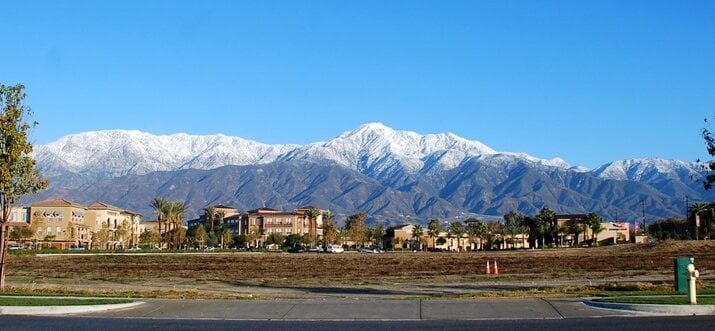
Rancho Cucamonga is geologically situated on a series of massive alluvial fans—specifically the Day Creek, Deer Creek, and Cucamonga Creek fans—created by millions of years of mountain sediment rushing down from the San Gabriel Mountains. Because of this unique topography, raw land parcels situated near canyon mouths or along the northernmost bluffs are subjected to specialized municipal floodway and Debris Flow Protection regulations.
When you buy a raw lot in these sectors, standard civil engineering is insufficient. The city often requires specialized hydrological and geotechnical studies to map out how water and debris move across that specific parcel during extreme weather events, especially following a seasonal mountain wildfire. To build, you may be mandated to construct heavy-engineered structural diversions, reinforced concrete retaining V-ditches, or specialized perimeter grading designed to funnel mountain sheetflow safely around your home's foundation. Failing to budget for these heavy-infrastructure items can cost hundreds of thousands of dollars before you ever pour your home's actual foundation pad. Let us coordinate with local geological specialists to audit any foothill land parcel you are considering to verify if it sits within an active debris-fan floodplain.
Because Rancho Cucamonga manages its local water supply with extreme precision, the city and the Cucamonga Valley Water District (CVWD) operate a vast network of underground water basins and surface "spreading grounds" designed to capture mountain runoff and recharge the local aquifer. For land buyers, this means that many vacant parcels—especially larger plots or those located near historic stone flood channels—are heavily crisscrossed by significant municipal water infrastructure, flood-control easements, or subterranean pipeline rights-of-way.
When evaluating a vacant piece of land, an easement hidden deep within the title report could reveal that a major public utility or flood-control agency has the permanent legal right to run heavy machinery across a third of your property, or that a large section of the land is restricted from ever having permanent structures built upon it. We specialize in dissecting local land titles and can request the complete plat maps from the county recorder to show you exactly where every single easement sits relative to your intended building envelope.
Much of the remaining open land in the historic heart of Rancho Cucamonga was once dedicated to the city's iconic 20th-century citrus groves and historic vineyards. When buying raw acreage or an infill lot that has remained untouched for decades, it is imperative to investigate the parcel’s historical water status with the CVWD.
Some legacy parcels still hold grandfathered agricultural water allocations or private well rights, which can provide massive financial relief if you intend to landscape your future estate with private vineyards, olive groves, or expansive orchards. Conversely, if a lot is completely raw and has never been assigned a standard domestic water meter capacity, you must navigate the city’s strict water infrastructure hookup fees and ensure the local water mains running beneath the street have the correct pressure and volume to support modern residential fire-sprinkler demands. We can open direct inquiries with the water district to verify the exact utility readiness and historical water rights attached to any piece of land you are exploring.
Vacant land parcels located north of Banyan Street or bordering the North Etiwanda Preserve sit squarely within the state-designated Very High Fire Hazard Severity Zone (VHFHSZ), commonly referred to locally as the Wildland-Urban Interface (WUI). Building a custom home on raw land inside this zone alters your architectural choices from day one due to strict Chapter 7A California Building Code mandates.
To build on land in this local zone, your architectural plans must utilize specialized non-combustible or ignition-resistant materials. This includes explicit mandates for heavy-gauge clay or concrete tile roofs, specialized eave baffling that prevents floating embers from entering your attic, dual-paned tempered glass windows, and completely enclosed exterior soffits. Additionally, you will be legally required to clear and maintain a strict 100-foot "defensible space" fuel management zone entirely around your future structures. We can cross-reference the state and local fire zone maps with active land listings to help you fully understand the specific architectural building costs associated with any premium foothill parcel.
The stunning, elevated views that make Rancho Cucamonga's foothill land so desirable are a direct result of the Cucamonga Fault Zone, an active thrust fault trace running along the base of the mountains. Under the Alquist-Priolo Earthquake Fault Zoning Act, California mandates strict regulatory zones around active faults to prevent structures from being built directly over a surface rupture line.
If you are buying raw land within a designated Alquist-Priolo Special Studies Zone in Rancho Cucamonga, you cannot simply submit building plans to the city. You must first commission a licensed engineering geologist to conduct a site-specific seismic hazard investigation, which frequently involves digging a physical "fault trench" across the property to definitively locate any active underground fault traces. If a fault trace is discovered, a strict structural setback (often 50 feet or greater) must be maintained, which can completely alter where your home can sit on the lot. Before you invest your capital into architectural blueprints, let us check the official California Geological Survey maps to verify whether your prospective lot requires these complex geotechnical trenching studies.
Acquiring raw land and navigating the highly specific geological, environmental, and municipal layers of Rancho Cucamonga requires advanced local expertise. Standard real estate agents frequently overlook slope zoning capacities, water easements, and fault-trace mandates—complexities that can stall a custom build for years. We are here to handle the local due diligence and fully protect your construction investment.




14007 Galliano Court Rancho Cucamonga, CA 91739
Michael Mucino | CA DRE# 01374697
Lisa Mucino | CA DRE# 01976041
14007 Galliano Court Rancho Cucamonga, CA 91739
Michael Mucino | CA DRE# 01374697
Lisa Mucino | CA DRE# 01976041