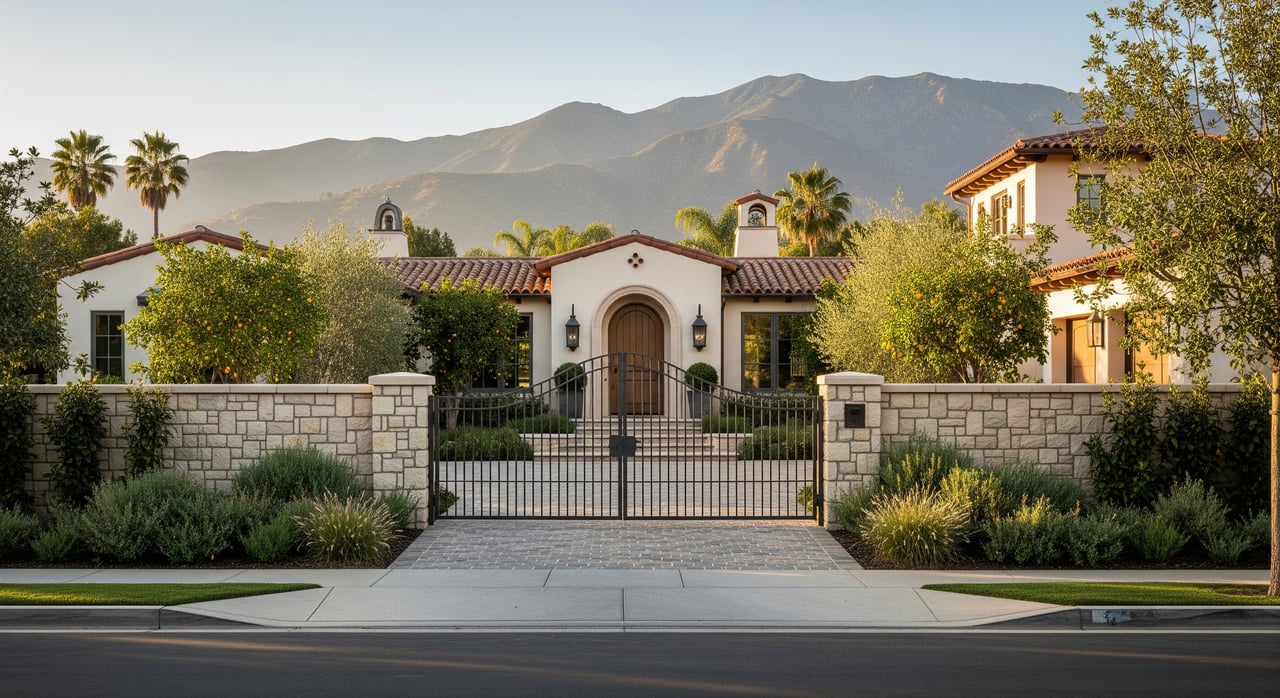
Trying to decide between a home with an HOA and one without in La Verne? You are not alone. Many buyers wrestle with the tradeoff between convenience and control. The right choice depends on your lifestyle, budget, and long‑term plans.
In this guide, you will learn how HOAs work in California, what dues really cover, how rules affect daily life, and how lenders view HOA communities. You will also get a clear due‑diligence checklist so you can compare properties with confidence. Let’s dive in.
HOA vs. non‑HOA basics in La Verne
La Verne has a mix of single‑family neighborhoods, smaller condo and townhome communities, and a few master‑planned pockets nearby. HOAs are present but not universal. Newer developments and many condo/townhome complexes are more likely to have HOAs, while older neighborhoods often do not.
What an HOA includes
An HOA typically manages shared areas and sets community rules. Common amenities may include a pool or spa, clubhouse, fitness room, gated entry, managed landscaping, private streets and lighting, and playgrounds or small parks. Some associations also handle exterior maintenance, trash and recycling, pest control, or on‑site management. More amenities usually mean higher monthly dues.
How non‑HOA ownership differs
On a non‑HOA property, you follow city and county rules but you set your own standards for things like paint, fencing, or landscaping. You also carry full responsibility for exterior maintenance and any shared costs with neighbors. There is no association budget to handle big repairs, so planning and savings are key.
Costs and budgeting for buyers
When comparing HOA vs. non‑HOA homes, look beyond the price tag. Focus on the full monthly and long‑term cost picture.
What HOA dues cover
Monthly assessments fund day‑to‑day operations, landscaping, utilities for common areas, and vendor contracts. A portion usually goes into reserves for future repairs like roof replacements, paving, or clubhouse updates. Associations may also charge one‑time special assessments if reserves fall short for a major project.
Typical dues in Southern California
Dues vary by property type, age, and amenity level. As a general Southern California guide:
- Small condo associations with minimal services: often under $300 per month.
- Condo/townhome communities with moderate amenities: about $300 to $800 per month.
- Larger master‑planned or single‑family HOAs with extensive amenities: $300 to $1,000+ per month.
These are broad estimates, not guarantees. Actual dues in La Verne can be lower or higher based on the specific community.
Special assessments and reserves
Reserves act like a savings account for big future projects. If reserves are underfunded, owners may face a special assessment to cover a roof, paving, or large insurance deductible. Review the reserve study and the history of special assessments to gauge risk.
How to model your budget
- Add HOA dues to your housing cost when you plan your monthly budget and loan qualification.
- Check what dues include, such as water, trash, or exterior maintenance. Inclusions can raise dues but reduce separate bills.
- Ask for the current budget, financial statements, and reserve study. Look for consistent contributions to reserves and a manageable project timeline.
- Consider owner insurance and loss assessment coverage in your total cost.
Rules, rights, and restrictions
HOAs use rules to manage community standards and shared spaces. In California, HOA operations are guided by the Davis‑Stirling Common Interest Development Act. That law sets requirements for disclosures, governance, and enforcement procedures.
Common HOA rules you will see
- Architectural controls for paint colors, fencing, additions, roofing, or solar placement.
- Parking limits for garages, street parking, guest spaces, and RV or boat storage.
- Pet rules for number of pets or size.
- Rental rules, including caps on rentals or minimum lease terms.
- Standards for noise, decorations, trash containers, and landscaping.
Enforcement and your protections
Associations can issue written violations and fines, suspend amenity access, and collect unpaid assessments. In serious cases, California law allows HOAs to record liens and pursue foreclosure for unpaid assessments. There are procedural protections and dispute processes, and many HOAs use mediation or arbitration to resolve issues. Read the rules closely so you understand what is expected and what recourse you have.
City rules vs. HOA rules
City and county rules still apply inside an HOA. In La Verne, you should verify zoning, permits for projects like solar, accessory dwelling units, and fencing, and any short‑term rental limits if that is part of your plan. HOA rules can be more restrictive than city codes in areas like exterior changes or visible solar placement. Always confirm both city and HOA requirements before you plan a project.
Insurance and maintenance differences
The way insurance works depends on the type of community and how the HOA defines what is covered.
Master policy vs. owner policy
Most HOAs carry a master policy for common areas and sometimes for the building shell. As an owner, your policy fills the gaps. In a condo, you typically carry an HO‑6 policy for interior walls‑in coverage and consider loss assessment coverage. In a detached single‑family HOA, you usually insure the structure and your property while the association insures common areas. Check the master policy’s coverage and deductibles so you are not surprised by an owner assessment after a claim.
Maintenance tradeoffs
- HOA property: The association handles common areas and may cover exterior maintenance, which can reduce your personal to‑do list. You pay for this through dues and follow the community schedule.
- Non‑HOA property: You have freedom to choose materials and timelines, but you must budget and manage all maintenance and repairs yourself.
Financing and resale impacts
How you finance and how future buyers can finance affects both your purchase and resale outlook.
How lenders view dues
Lenders count monthly HOA dues as a recurring housing expense. Higher dues can impact your debt‑to‑income ratio and loan qualification. Build dues into your pre‑approval conversation so there are no surprises later.
FHA, VA, and condo approvals
If you are buying a condo with FHA or VA financing, your lender may require project approval or a spot approval process. Some conventional loans have project requirements too. Financing availability can shape your buyer pool at resale, especially for first‑time buyers using specialty programs.
Resale pros and cons
- Positives: Well‑managed communities with attractive amenities and consistent exterior standards often show well and can support strong resale values. Centralized maintenance can also reduce buyer concerns about big unknowns.
- Negatives: Strict rental caps can limit investor demand. High dues, frequent special assessments, or visible management issues can hurt marketability.
Short‑term rentals and investor appeal
Many HOAs restrict short‑term rentals. If you hope to use Airbnb‑style rentals, verify both HOA and local rules before you buy. Communities with tighter rental rules can appeal to owner‑occupants but may limit investor demand.
How to choose in La Verne
Your best choice depends on how you live day to day and what you value most.
Match lifestyle and property type
- Choose HOA if you value convenience, shared amenities, and a consistent look and feel, and you are comfortable with monthly dues and rules.
- Choose non‑HOA if you prefer flexibility for exterior changes and want full control of maintenance and costs.
Compare apples to apples
In La Verne, compare condos to condos and single‑family homes to single‑family homes. HOA prevalence and dues vary by neighborhood and property type. This keeps the comparison fair and practical.
Commute and neighborhood context
La Verne buyers often factor in access to the 210 and 10 freeways. Some gated or landscaped communities appeal to those who want convenience with a lower maintenance lifestyle. Older non‑HOA areas can offer more flexibility but may require more hands‑on upkeep.
Schools and boundaries
Many buyers consider school district boundaries when they shop. HOAs do not govern schools, but community aesthetics and upkeep can influence how a neighborhood feels. Use neutral, factual sources to verify boundaries and options, and weigh them alongside your housing needs.
Due‑diligence checklist before you buy
Ask the seller, HOA, escrow, or management company for these items early in escrow. Review them carefully with your agent and lender.
- Governing documents: CC&Rs, bylaws, articles, rules and regulations, and architectural guidelines.
- Current budget and financial statements.
- Reserve study or reserve funding plan, plus the history of reserve contributions.
- Assessment history: current dues, recent increases, and special assessments over the past 5 to 10 years.
- Board meeting minutes from the last 6 to 12 months and any recent member meeting notices.
- Insurance declarations for the master policy, including limits and deductibles.
- Litigation disclosures for any pending or threatened claims.
- Delinquency report or summary of owners in collection.
- Rules that affect your plans: rental policies, pet rules, solar and ADU procedures, and exterior modification approvals.
- Contracts for major services if available, such as landscaping, security, or management.
- For condos: status of FHA or VA approval if relevant to your financing.
- Contacts for the manager and a board representative.
Questions to ask the board or manager:
- Are capital projects planned in the next 1 to 5 years?
- When was the last special assessment and why?
- What is the current reserve funding level compared to what the study recommends?
- Have there been large insurance claims or deductible changes recently?
- Are there pending rule changes, especially for rentals, parking, solar, or ADUs?
The bottom line for La Verne buyers
There is no one‑size‑fits‑all answer. An HOA can deliver convenience and amenities that fit a busy lifestyle, while a non‑HOA home can offer flexibility and control. In La Verne, start by deciding which property type fits your life, then compare true monthly and long‑term costs, the rules you will live by, and the financing and resale picture. With the right information, you can choose a home that supports your goals today and down the road.
If you want local guidance tailored to your budget and lifestyle, reach out to Michael Mucino. Camden McKay Realty combines neighborhood knowledge, construction know‑how, and bilingual support to help you compare options and buy with confidence.
FAQs
What does an HOA typically cover in La Verne?
- Most HOAs fund common‑area upkeep, landscaping, amenities, and reserves for future repairs; coverage for utilities or exterior maintenance varies by community.
How do HOA dues affect my mortgage approval?
- Lenders count HOA dues as a housing expense, which impacts your debt‑to‑income ratio and the loan amount you can qualify for.
Can an HOA stop me from adding solar or an ADU?
- HOAs can set reasonable aesthetic and approval rules, but you must also follow city and state laws; always verify both HOA and local permit requirements before planning.
How common are special assessments?
- It depends on the community’s reserve health, building age, and project needs; review the reserve study and meeting minutes to gauge risk.
Are short‑term rentals allowed in HOA communities?
- Many HOAs restrict short‑term rentals; confirm both HOA rules and local regulations if rental income is part of your plan.
What are red flags in HOA documents?
- Underfunded reserves, frequent special assessments, high owner delinquencies, ongoing litigation, and unclear or changing rules are all signs to investigate further.