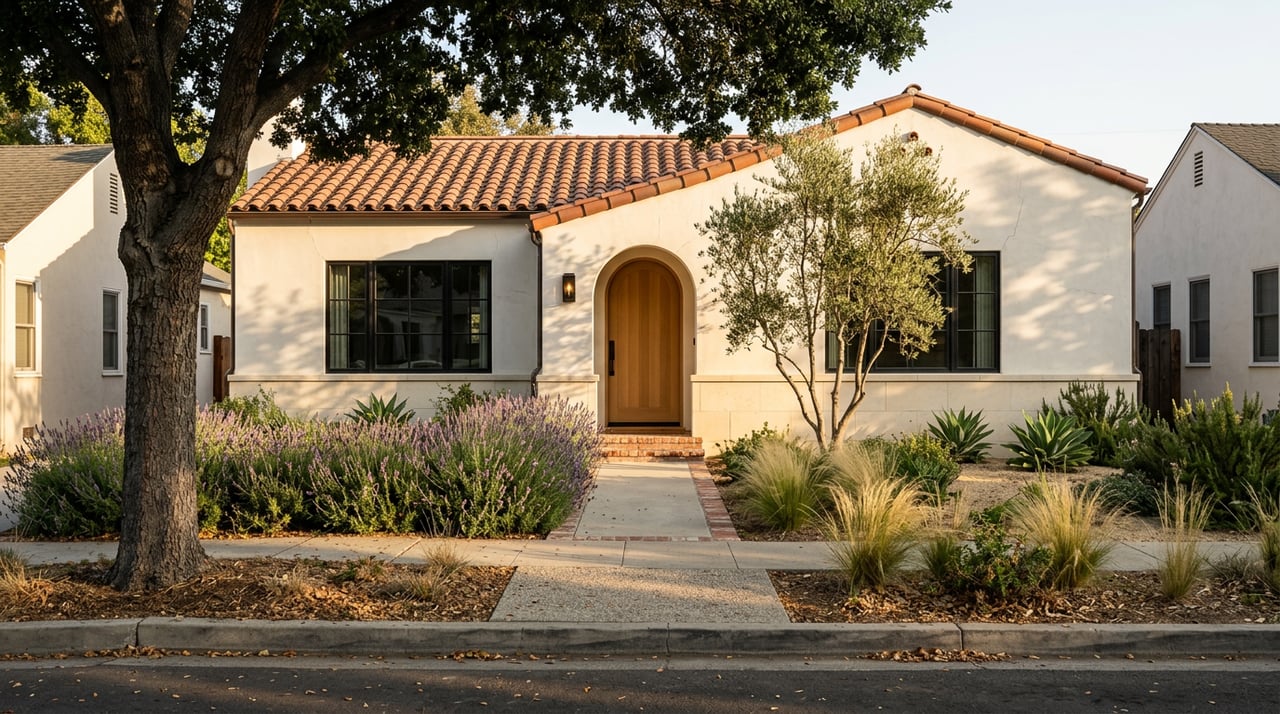
Thinking about living near the Claremont Colleges? If you want a walkable downtown, a steady calendar of talks and concerts, and tree‑lined streets, this pocket of eastern Los Angeles County might fit your life well. You’ll get a true college‑town rhythm with small‑city convenience. In this snapshot, you’ll learn what day‑to‑day life feels like, how the neighborhoods differ, housing and rental patterns, commute options, and the rules you should know. Let’s dive in.
Claremont at a glance
Claremont sits in the eastern San Gabriel Valley, next to Pomona and La Verne, and promotes a “village‑style” downtown with independent restaurants, shops, and galleries near campus. You can get a feel for the city’s positioning by browsing the city’s site and visitor materials that highlight its intimate scale and civic amenities.
The Claremont Colleges are a consortium of seven schools, including Pomona, Scripps, Claremont McKenna, Harvey Mudd, Pitzer, Claremont Graduate University, and Keck Graduate Institute. This cluster draws several thousand students, faculty, and staff to the area and shapes local demand for housing, retail, and events. You can learn more on the Claremont Colleges consortium site.
Claremont is a small city of roughly 37,000 residents based on the 2020 Census, with recent U.S. Census QuickFacts showing a relatively high median household income that helps explain retail and housing patterns. Local market trackers in 2025 and early 2026 show typical single‑family values near or above $1,000,000. Exact figures shift, but the headline is clear: this is a higher‑end suburban market compared with many nearby areas.
Daily life near the Colleges
The Village vibe
The heart of daily life is the Claremont Village and the historic Packing House, where you’ll find independent cafes, restaurants, boutiques, and small galleries. It is the city’s most walkable cluster and the part of town many relocation shoppers seek out. Check local updates and features that highlight Village happenings on Discover Claremont.
Culture on campus and nearby
Living near the Colleges adds year‑round cultural programming to your weekly routine. The campus hosts public talks, concerts, and exhibitions. A good example is Pomona College’s Benton Museum of Art, which anchors teaching and community exhibits; see an overview of its development on Pomona College’s Benton Museum page. Off campus, you’ll also find galleries in the Village and the Claremont Museum of Art at the Depot.
Events and seasonality
Expect a steady rotation of monthly art walks, a popular farmers’ market, and seasonal festivals that bring extra foot traffic to the Village. The rhythm aligns with the academic calendar. Activity picks up during the school year and eases in summer when many students leave town. To time your visits, browse local listings like the Claremont Courier’s event calendar.
Walkability patterns
Claremont is modestly walkable overall, with the Village and nearby blocks the most pedestrian‑friendly. Neighborhoods like Old Claremont and areas just off campus are where short errands and dining on foot feel easiest, while the foothill neighborhoods are more car‑centric. See citywide walkability patterns on Walk Score’s Claremont summary.
Neighborhoods to explore
Village and campus edge
If you want the shortest stroll to coffee, galleries, and campus events, focus on the Village and immediate campus edge. Housing here tends to include older single‑family homes and small apartment pockets. The tradeoff is typically smaller lots in exchange for maximum convenience.
Old Claremont blocks
North and west of the Village, Old Claremont features early 20th‑century streets with Craftsman, Spanish Revival, and bungalow homes. These tree‑lined blocks are prized for character and proximity to dining and campus venues. You’ll see more detached homes, front porches, and a classic neighborhood feel.
College‑adjacent streets
Areas just south and north of campus include smaller lots, duplexes, and compact apartment buildings that serve graduate students, visiting scholars, faculty, staff, and young professionals. These pockets are practical if you want close‑in rentals or a more accessible ownership option near the core.
Foothills and Claremont Hills
Farther north, larger‑lot hillside homes trade walkability for privacy and views. You’ll be closer to trailheads and open space, with a more car‑dependent routine. Outdoor access is a defining perk thanks to the Claremont Hills Wilderness Park.
Housing and rentals
Home types and price feel
Near the Village and Old Claremont, you’ll see older single‑family homes in historic styles, plus a scattering of small multifamily buildings. Across the city, 2025 to early 2026 market trackers place typical single‑family values near or above the $1 million mark. Inventory and days on market fluctuate, so plan for case‑by‑case pricing and timelines.
Renting near campus
The local rental market runs on university demand. Many undergraduates live on campus, which reduces turnover among entry‑level apartments. Off campus, rental demand is powered by graduate students, faculty and staff, and local professionals. Studios and small one‑bedrooms often price in the low‑ to mid‑thousands per month, with larger townhomes and single‑family rentals commonly north of $3,000 per month. Expect the busiest leasing season to track the academic calendar, with more movement in late summer and early fall.
Short‑term rental rules
If you are eyeing short‑term rental income, read the city code first. Claremont’s 2025 ordinance narrows what is allowed. In brief: only permitted “homesharing” in an owner’s primary residence is allowed, while vacation rentals are restricted, and ADUs and many multifamily units are generally prohibited from short‑term use. Review the city’s STR chapter for details on permits, caps, and inspections in the municipal code.
Getting around Greater L.A.
Metrolink to Union Station
Claremont is on Metrolink’s San Bernardino Line, with service to Los Angeles Union Station in about an hour on scheduled trains. This is the practical rail link if you work downtown or want regional connections from Union Station. Check the current timetable on Metrolink’s San Bernardino Line schedule PDF.
Driving and local buses
By car, you have quick access to State Route 210 and the wider San Gabriel and Pomona valleys. Many residents commute by car, while Foothill Transit serves the Claremont Transit Center with local and express buses for east‑west connections. If commuting flexibility matters, test drive or ride the route you plan to take during your target hours.
Bikes and trails
The most bike‑friendly and walkable areas cluster around the Village, while foothill neighborhoods shine for trail access. If you want quick hikes before or after work, living nearer the Claremont Hills trailheads is a plus. For errands and dining, the Village area wins for everyday convenience.
Schools, safety, and outdoors
Public schools overview
Claremont Unified School District is a common factor for family buyers. Claremont High School lists AP and IB options and is often noted on independent rating pages. To learn more about programs and offerings, start with Claremont High School’s profile on GreatSchools. Always confirm current courses and enrollment policies directly with the district or school.
Safety snapshot
Like many small cities, crime indicators vary by category and by year. Aggregated, FBI‑sourced dashboards show property‑crime measures comparable to or slightly below regional norms in some years, with violent‑crime metrics that fluctuate. For context and recent trends, explore the Claremont page on CrimeExplorer, and consider speaking with local police for neighborhood‑level insights.
Parks and open space
Outdoor time is easy to build into your week. The Claremont Hills Wilderness Park offers popular trails and views, while city parks and the California Botanic Garden provide shaded paths and native plant collections. These are standout amenities for buyers who value quick access to nature.
Who this area suits
- Faculty, researchers, and university‑adjacent professionals who value proximity to campus, public talks, and a walkable downtown.
- Graduate students and transfers who want off‑campus rentals near the Colleges, with leasing timed to the academic year.
- Families who prioritize strong public schools, parks, and a calmer suburban setting with walkable dining and shopping.
- Buyers who want weekend access to mountains and regional cultural hubs, with commuter rail to downtown L.A. when needed.
Next steps
If the Village vibe, campus energy, and hillside trails sound like your pace, you have options to consider. The best fit comes from matching your lifestyle priorities to the right micro‑neighborhood and timing your search to the market. For a customized neighborhood brief, private tour plan, and current pricing, reach out to Michael Mucino. We’ll help you compare walkability, commute, and home types so you can move forward with confidence.
FAQs
How walkable is living near the Claremont Colleges?
- The Village and adjacent blocks are the most walkable parts of Claremont, while foothill neighborhoods are more car‑dependent; see patterns on Walk Score’s Claremont page.
What are typical home prices near the Colleges in 2026?
- Market trackers in 2025 to early 2026 place typical single‑family values around or above $1 million; pricing and days on market change by street and season, so request a tailored snapshot before you tour.
Are there off‑campus rentals for students and staff near campus?
- Yes. Many undergraduates live on campus, but graduate students, faculty, staff, and young professionals drive steady demand for nearby apartments, duplexes, and townhomes, with the busiest turnover in late summer.
Can I run an Airbnb or rent my ADU short‑term in Claremont?
- Short‑term rentals are restricted to permitted homesharing in an owner‑occupied primary residence; vacation rentals are limited and ADUs/many multifamily units are generally prohibited. Review the city’s STR ordinance.
How do I commute from Claremont to downtown Los Angeles?
- Metrolink’s San Bernardino Line connects Claremont to Union Station in about an hour on scheduled trains; check the current timetable for departures and plan transfers as needed.
What outdoor and cultural options are close by if I live near campus?
- You have quick access to the Claremont Hills Wilderness Park for hiking and to campus venues for public talks and exhibits, including programming at Pomona College’s Benton Museum of Art that complements Village galleries.