Updated: April 2026
Rancho Cucamonga sits above the national average in most cost categories. That's the honest answer. But for the majority of people seriously considering a move here, the more relevant comparison isn't the national average. It's Los Angeles, San Diego, or San Francisco — and against those benchmarks, Rancho Cucamonga tells a very different story.
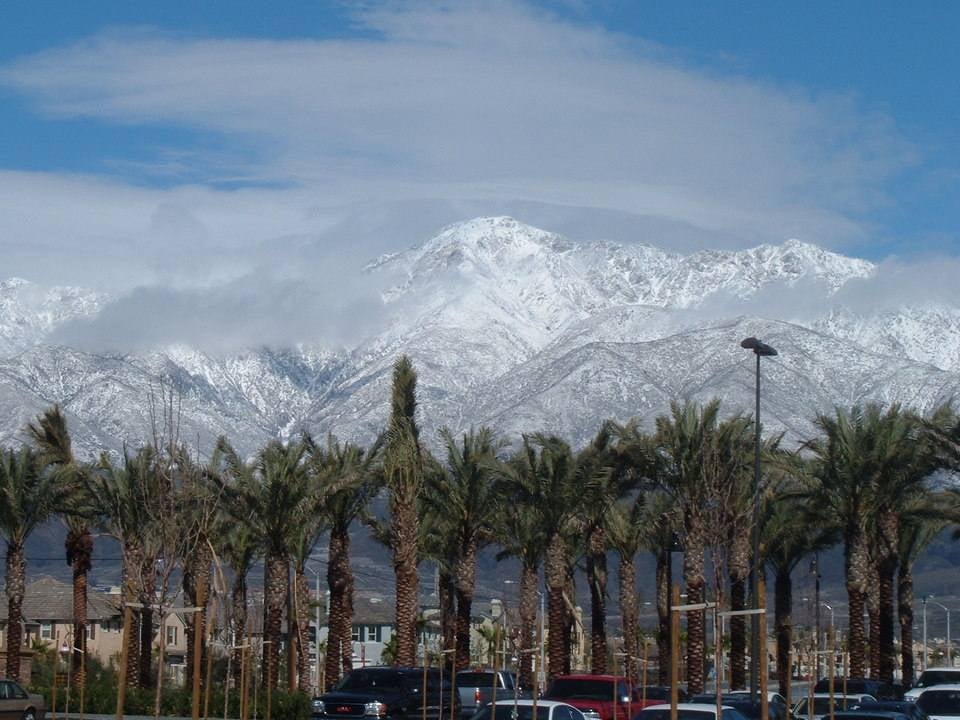
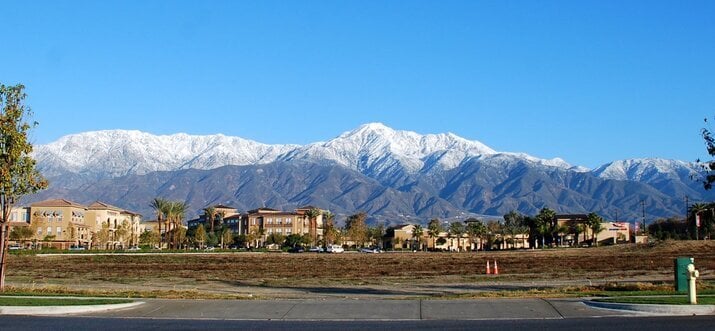
Known locally as "Rancho," this Inland Empire city of roughly 175,000 sits about 37 miles east of downtown Los Angeles, at the base of the San Gabriel Mountains. It's a city that has quietly grown from a bedroom community into one of Southern California's most stable, well-resourced suburbs — and its cost profile reflects that standing. You will pay a premium to live here. What that premium buys you is worth understanding before you decide.
Overview of Cost of Living in Rancho Cucamonga
Here's how Rancho Cucamonga compares to the national average across the major cost categories:
- Housing — significantly above national average
- Groceries — approximately 12.5% above national average
- Utilities — approximately 28.5% above national average
- Transportation — above national average, driven by gas and insurance
- Healthcare — approximately 8% to 12% above national average
- Taxes — moderate within California; high by national standards
Those numbers require context. Rancho Cucamonga is a California city, and its costs are best understood alongside the California metros that most relocators are actually comparing it against:
City | Cost Comparison to Rancho Cucamonga |
|---|---|
San Francisco | Substantially more expensive |
Los Angeles | More expensive across most categories |
San Diego | More expensive, particularly housing |
Irvine | Comparable to more expensive depending on segment |
Chicago | Broadly comparable |
Dallas | Slightly less expensive |
For buyers relocating from coastal Southern California, Rancho Cucamonga consistently offers meaningful savings on housing while maintaining access to the same regional job market, infrastructure, and amenities. The tradeoff is a longer commute to the coast and utility costs that are among the highest in the region.
Specifics of Cost of Living in Rancho Cucamonga
Housing
The median sale price in Rancho Cucamonga currently sits between $785,000 and $830,000, with Zillow's Home Value Index tracking the typical home value at approximately $782,617 as of early 2026. Price per square foot averages $429. These figures represent a substantial increase from the roughly $585,000 median seen in early 2020, driven by the aggressive appreciation of 2022 through 2024. The market has since entered a modest cooling phase, with year-over-year fluctuations ranging from -0.8% to -2.6%.
Rancho Cucamonga commands a significant premium over its immediate neighbors. The San Bernardino County median sits at approximately $545,000, meaning Rancho runs about 44% higher than the county overall. Ontario comes in at roughly $665,000 and Fontana at $654,500. That premium is consistent and persistent — it reflects school quality, safety, infrastructure, and the city's overall positioning within the Inland Empire.
Price ranges vary considerably by segment and location within the city:
- Entry-level (condos and townhomes): $550,000 to $650,000, concentrated in Southwest Rancho and Terra Vista
- Move-up (standard single-family): $750,000 to $950,000 for most 3-4 bedroom homes in Victoria or Alta Loma
- Luxury and estate: $1.1M to $1.45M in North Etiwanda and The Colonies, with custom estates exceeding $2.5M
Inventory remains tight at roughly 2.9 to 4.1 months of supply, keeping the market in mild seller's territory. Turnkey homes in prime school districts are still moving in under 25 days. Current 30-year fixed rates are hovering near 6.09%.
For those not yet purchasing, the rental market offers limited relief. Average apartment rent runs $2,263 per month, while single-family home rentals average $3,879. A two-bedroom apartment typically runs $2,739; a three-bedroom, $3,474.
Food and Groceries
Rancho Cucamonga's grocery index sits at approximately 112.5, meaning residents pay about 12.5% more than the national average for food. That premium is consistent with California's broader supply chain and labor cost structure, though it remains below coastal hubs like Irvine or Santa Monica.
Current baseline prices for common items:
Item | Estimated Cost |
|---|---|
Milk (1 gallon) | $4.15 – $4.85 |
Bread (loaf) | $3.80 – $4.40 |
Eggs (1 dozen) | $3.50 – $4.10 |
Cheese (1 lb) | $6.25 – $7.50 |
Chicken fillets (1 lb) | $5.80 – $6.50 |
Dining out runs $18 to $24 per person at casual spots and $90 to $120 for a mid-range meal for two. A latte averages $5.75 to $6.50.
What partially offsets the high grocery index is the quality and variety of options available. Rancho Cucamonga has one of the most complete grocery ecosystems in the Inland Empire. Whole Foods and Sprouts serve the premium and organic segment, Stater Bros., Ralphs, and Vons handle everyday shopping, and one of the region's busiest Costco locations along with WinCo Foods provides genuine value for bulk buyers. For a suburban Inland Empire city, the grocery access here is notably strong.
Utilities and Basic Services
Utilities are one of the more significant cost line items for Rancho Cucamonga residents. The overall utility index sits at approximately 128.5, or 28.5% above the national average. Electricity rates through Southern California Edison range from $0.30 to $0.36 per kWh, which is roughly 44% to 70% higher than the U.S. national average of $0.21 per kWh. Average monthly electric bills run between $276 and $313, with summer bills frequently exceeding $500 due to Inland Empire heat and sustained air conditioning use.
These costs are not unique to Rancho Cucamonga. They reflect California's state-level energy structure: wildfire mitigation assessments built into SCE rates, the 2026 implementation of a fixed monthly charge of approximately $24.15 per household, and ongoing investment in renewable infrastructure. Residents throughout the SCE service territory pay these premiums regardless of city.
As of 2026, California's fixed charge structure was designed to reduce the per-unit cost of electricity to incentivize EV adoption, but it has effectively raised the floor for low-consumption households. High-usage households benefit marginally from the lower per-unit rate during peak summer months.
For internet and basic services, Rancho Cucamonga is well-served. High-speed fiber through Frontier, along with Spectrum and AT&T, averages $68.94 per month, with entry-level plans starting at $30. Water, trash, and sewer through Burrtec and the Cucamonga Valley Water District runs $120 to $160 per month under normal usage. The CVWD uses a tiered rate structure, and heavy outdoor irrigation during drought periods can push that figure considerably higher.
Transportation
Transportation costs in Rancho Cucamonga run above the national average, primarily due to California's fuel prices and insurance market. As of April 2026, regular gasoline ranges from $4.85 to $5.35 per gallon, with premium hitting $5.25 to $5.85. One practical note: the Costco on 4th Street and the Sam's Club on Foothill Blvd typically run $0.30 to $0.45 per gallon cheaper than name-brand stations near the I-15 and I-210 interchanges.
Auto insurance in Rancho Cucamonga averages $2,450 to $2,800 annually for full coverage, roughly 12% above the national average but below Los Angeles proper. Rate approvals for major carriers including State Farm and Geico have pushed local premiums up approximately 15% over the past two years, driven by high traffic density at the I-210 and I-15 interchange.
Rancho Cucamonga is among the few Inland Empire cities where public transit is a legitimate option for DTLA commuters. The Metrolink San Bernardino Line station at 9160 Masi Drive offers a clean, reliable connection to Union Station. A standard monthly pass runs $260; a full system pass runs $320. The primary limitation is the last-mile problem — unless your destination is walking distance from Union Station or you use Metro bike-share, a secondary commute is typically required.
For drivers, peak-hour commute times reflect the city's position at the inland edge of the greater LA basin:
Destination | Morning Commute (7–9 AM) |
|---|---|
Ontario | 12–20 minutes |
San Bernardino | 25–40 minutes |
Los Angeles (DTLA) | 1 hr 15 min – 1 hr 50 min |
Irvine (Orange County) | 1 hr 10 min – 1 hr 45 min |
The I-210 Express Lanes can reduce LA-bound commute times by roughly 20 minutes at a cost of $2 to $15 depending on congestion levels.
Taxes
Property taxes in Rancho Cucamonga are governed by California's Proposition 13, with a base rate of 1.0% of the assessed value at time of purchase. The effective rate typically lands between 1.1% and 1.35% once voter-approved bonds for schools, parks, and water infrastructure are factored in. One variable worth flagging for buyers considering newer developments: Community Facilities District fees, commonly known as Mello-Roos, apply in areas like The Colonies and parts of North Etiwanda and Etiwanda. These can add $2,500 to $6,000 or more annually to your property tax bill to cover neighborhood-specific infrastructure costs. Confirming whether a property carries CFD fees before making an offer is a standard step in any Rancho Cucamonga transaction.
Under Proposition 13, your assessed value cannot increase by more than 2% annually as long as you own the property. This creates a significant long-term benefit for stable homeowners and is one of the reasons Rancho Cucamonga's housing market retains committed, long-term residents.
The city's sales tax rate of 7.75% is relatively competitive within California, and notably lower than the 10.25% rates common across Los Angeles County cities like Pasadena and Santa Monica.
For income tax, California's nine-bracket structure ranges from 1% to 12.3%, with a 1% Behavioral Health Services tax applied to income above $1 million. For a household earning $150,000 jointly, the effective state rate after standard deductions typically runs 4% to 6%. Relocators from Texas, Florida, or Nevada will feel the adjustment most acutely, as the income tax represents a genuine change in take-home pay.
Within California, Rancho Cucamonga occupies a tax-efficient position: lower sales tax than most coastal cities, a property tax structure that rewards long-term ownership, and an income tax burden that is no different from the rest of the state.
Healthcare
Healthcare costs in Rancho Cucamonga run approximately 8% to 12% above the national average, driven by California's labor costs for medical professionals and the concentration of specialty facilities in the area. The healthcare index currently sits between 108.5 and 112.0.
For a family of four on employer-sponsored insurance, the typical employee contribution runs $620 to $750 per month. Families purchasing coverage without employer support on a Silver-tier plan through Covered California face unsubsidized premiums of $1,650 to $1,900 per month, with annual deductibles averaging $3,800 to $5,200. California has implemented state-level subsidies in 2026 to partially offset the loss of federal enhanced credits for middle-income families, which has moderated the cost increase somewhat for Inland Empire residents in the 400% to 600% Federal Poverty Level range.
Rancho Cucamonga functions as a regional medical hub, with strong access to specialty care that reduces the need to travel to Los Angeles or the coast for most medical needs:
- Loma Linda University Health operates a major multi-specialty center on Foothill Blvd with recognized programs in oncology, pediatrics, and cardiology
- Kaiser Permanente maintains an extensive campus on Town Center Drive, with the nearest Kaiser hospital in Fontana and Ontario
- San Antonio Regional Hospital serves the area with satellite clinics in Rancho, with the primary hospital in adjacent Upland
- City of Hope maintains specialty oncology offices within the city
- Kindred Hospital provides long-term acute and transitional care
Kaiser's dominant market share in the area is worth noting. Many local employers default to Kaiser coverage, which simplifies administration but restricts access to the broader provider network. Accessing Loma Linda or City of Hope facilities on most PPO plans requires a Tier 1 or Gold-level plan.
Cost of Living in Rancho Cucamonga: Not the Whole Story
The costs above are real, and they are higher than the national average across nearly every category. What they purchase is a city that has been deliberately built and actively maintained to a standard that is increasingly uncommon in Southern California.
Schools
The school system is the single largest driver of Rancho Cucamonga property values and the most frequently cited reason families choose the city over comparable Inland Empire alternatives. Served by both Chaffey Joint Union and Etiwanda school districts, the city's high schools rank consistently in the top 15% to 20% statewide as of the 2025-2026 academic year. Los Osos High School carries a 9 to 10 out of 10 rating on major education platforms with strong AP and STEM performance. Etiwanda High School holds a 9 out of 10 for college readiness. Rancho Cucamonga High rates 8 out of 10, and Alta Loma High rates 7 to 8 out of 10 with strong community engagement. These are not marginal distinctions — they translate directly into home values and long-term resale stability.
Safety
Rancho Cucamonga has a violent crime rate of approximately 1.5 per 1,000 residents, roughly 60% below the California state average. Property crime, while reflecting broader national suburban trends around vehicle theft and package theft, remains significantly lower than neighboring San Bernardino and Riverside. Policing is contracted through the San Bernardino County Sheriff's Department, and high civic participation in Neighborhood Watch programs reinforces what is a genuinely low-crime environment for a city of this size.
Recreation and Access
The city's location at the base of the San Gabriel Mountains gives it a geographic range that few Southern California suburbs can match. The North Etiwanda Preserve connects directly to the Angeles National Forest. The Cucamonga-Guasti Regional Park covers 150 acres with fishing, watercraft, and recreation facilities. Victoria Gardens is a walkable, open-air district serving as the city's de facto downtown, hosting farmers' markets, concerts, and the Paul A. Biane Library. Within a 60-minute drive, residents have access to Mt. Baldy for skiing and hiking, Palm Springs for desert recreation, and Newport Beach for the coast.
Economic Health
Rancho Cucamonga is no longer a bedroom community in the traditional sense. It is anchored by major employers including Inland Empire Health Plan, Southern California Edison, Frito-Lay, and Coca-Cola bottling, alongside the substantial retail employment base of Victoria Gardens and Ontario Mills. Unemployment in the city typically tracks 0.5% to 1% below the San Bernardino County average, supported by a workforce in which nearly 40% of adults hold a bachelor's degree or higher.
Community Investment
The city maintains a substantial financial reserve and reinvests consistently in infrastructure and public space. The Pacific Electric Trail, a 21-mile multi-use path running through the city, is one example. Drought-tolerant median landscaping, well-maintained streetscapes, and walkable nodes like Terra Vista and Victoria Gardens reflect a civic culture that prioritizes long-term livability over short-term costs.
Is Rancho Cucamonga Right for You?
Rancho Cucamonga costs more than the national average, and more than most of the Inland Empire. What it offers in return is a school system that drives real estate values, a safety record that is exceptional for a city of its size, recreational access that spans mountains, desert, and coast, and infrastructure that reflects sustained civic investment.
For buyers relocating from coastal Southern California, it often represents the most favorable trade-off available in the region: proximity to the LA job market, a demonstrably better quality of life for families, and a housing price that is meaningfully lower than what the coast or Orange County demands.
If you're weighing whether Rancho Cucamonga fits your budget and your goals, the next step is understanding what your price range actually gets you in today's market. Contact the team to start that conversation, or browse current listings to see what's available.