Contact
Address
14007 Galliano Court
Rancho Cucamonga, CA 91739
Michael Mucino | CA DRE# 01374697
Lisa Mucino | CA DRE# 01976041
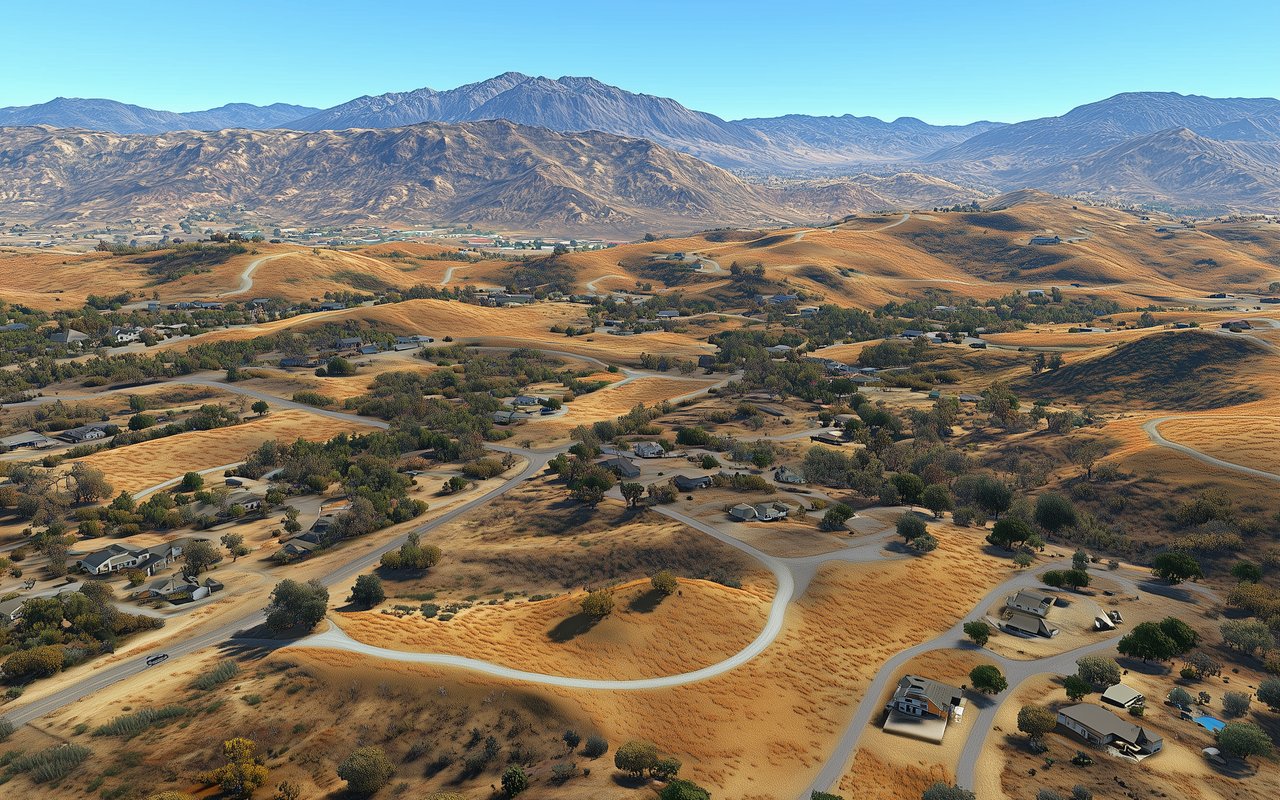
31,665 people live in Alta Loma, where the median age is 46 and the average individual income is $56,553. Data provided by the U.S. Census Bureau.
Total Population
Median Age
Population Density
Average individual Income
There is a particular kind of neighborhood that manages to feel both removed from the world and perfectly positioned within it. Alta Loma is exactly that. Nestled against the base of the San Gabriel Mountains in the northwestern corner of Rancho Cucamonga, Alta Loma carries a character that is difficult to replicate anywhere else in Southern California's Inland Empire — quiet, spacious, elevated in every sense of the word.
The name itself says it plainly: Alta Loma means "High Hill" in Spanish, and that elevation defines everything about living here. Streets slope northward toward dramatic mountain backdrops. Lots are wide. Horses graze behind homes where families also have three-car garages and swimming pools. The pace of life is deliberately slower than what you'd find closer to Los Angeles, yet the commute infrastructure makes the city entirely accessible when needed.
The people who choose Alta Loma tend to share a common thread: they've done well enough to want more space, more quiet, and more scenery — without sacrificing the conveniences of a well-developed suburb. You'll find executive professionals, multi-generational families, and equestrian enthusiasts living side by side on half-acre lots, connected by a shared appreciation for a lifestyle that doesn't come standard anywhere else in the region.
What makes Alta Loma genuinely appealing isn't any single feature. It's the combination: mountain views from your backyard, some of the best-rated schools in San Bernardino County, equestrian trails winding through established neighborhoods, and quick access to Ontario International Airport and the 210 Freeway. It is, in essence, a premium foothill lifestyle at a price point that still makes sense relative to coastal Southern California.
Alta Loma's identity was shaped long before it became one of the Inland Empire's most coveted addresses. In the late 19th and early 20th centuries, this foothill terrain was the agricultural heart of what was then known as the Citrus Belt. While lower-lying Cucamonga cultivated vineyards, Alta Loma's slightly higher elevation and rocky, well-drained alluvial soil proved ideal for lemon and orange groves. Packing houses and modest farmhouses defined the landscape, and the community's economy was built almost entirely on citrus.
The decline came mid-century. A devastating wave of "quick decline" disease — a citrus blight — combined with rising land values and post-war development pressure accelerated the end of the citrus era. The groves were gradually replaced by large ranch-style homes on generous lots, a reflection of the era's architectural preference for single-story, sprawling residential design. Alta Loma transitioned from a working agricultural community into a residential one, and the character of that transition — spacious, unhurried, land-conscious — has never entirely left.
The most consequential moment in its civic history came in 1977, when residents of Alta Loma, Cucamonga, and Etiwanda voted to incorporate together as the City of Rancho Cucamonga. The driving motivation was self-determination: residents wanted to prevent annexation by the neighboring city of Ontario and retain local control over how their communities would develop. That protective instinct — toward space, scale, and neighborhood character — has defined Alta Loma's development philosophy ever since.
Architecturally, the neighborhood has evolved through three distinct phases. The early farmhouse and packing-era structures gave way to the mid-century ranch homes that still anchor many of its streets today. By the 1980s and 1990s, larger two-story Mediterranean-style executive homes began appearing, targeting the professional class moving inland from Los Angeles. Today, the architectural trend has shifted toward ultra-luxury custom estates, with new infill developments like Camellia Court introducing 5,000+ square foot homes that cater to the high-end buyer market while respecting the neighborhood's commitment to large lot standards.
Alta Loma occupies the northwestern quadrant of Rancho Cucamonga, and its geography is one of its defining assets. To the north, the San Gabriel Mountains rise sharply — close enough to feel present in daily life, framing every northward view with rugged, snow-dusted ridgelines in winter. The western edge borders the city of Upland, the southern boundary runs roughly along Base Line Road or the 210 Freeway depending on the parcel, and the eastern reaches transition into central Rancho Cucamonga.
The terrain is an alluvial fan, meaning the neighborhood was built on centuries of mountain runoff deposits. That geology produces two notable characteristics: excellent natural drainage and a gradual but steady northward incline that places higher-elevation properties at a meaningful altitude advantage in terms of both views and air quality. As you drive north on streets like Carnelian or Hellman, the basin of the Inland Empire opens up behind you in a panorama that, on a clear day, stretches toward the horizon.
In terms of regional proximity, Alta Loma sits roughly 40 miles east of downtown Los Angeles, 20 miles west of San Bernardino, and just 10 to 15 minutes from Ontario International Airport — a combination that makes it highly strategic for professionals who travel frequently or commute selectively.
Climatically, Alta Loma benefits from its elevation. Average temperatures run 3 to 5 degrees cooler than the valley floor, which matters considerably during Inland Empire summers. The trade-off is exposure to the Santa Ana Winds, which funnel down the mountain canyons with notable force during autumn months. These wind events are a genuine feature of foothill living — residents learn quickly to secure patio furniture and monitor utility alerts during high-wind advisories.
As of early 2026, the Alta Loma housing market reflects a broader regional stabilization following years of aggressive appreciation. This is not a market in retreat — it is a market that has matured. Buyers are more deliberate, sellers must be more strategic, and the premium associated with Alta Loma's foothill address remains firmly intact.
The median sale price currently sits at approximately $928,000, though active listing prices frequently hover above $1,000,000, particularly for updated single-family homes with mountain views and large lots. Year-over-year, prices have eased by roughly 3.7% — a soft correction that reflects rising mortgage rates and a broader recalibration of buyer purchasing power, not any fundamental weakness in the neighborhood's desirability.
Inventory, while still historically limited, has improved slightly. At any given point, buyers can expect to find between 50 and 60 active listings in the area, representing roughly 3 to 4 months of supply — a range that technically qualifies as a balanced market but still tilts modestly toward sellers for well-positioned homes.
Days on market have extended meaningfully compared to the 2024–2025 peak period, when correctly priced homes routinely sold in under two weeks. Today, the median sits between 57 and 72 days. That shift is not a warning sign; it reflects a buyer pool that has regained the ability to be thoughtful rather than reactive. Homes that are updated, priced at fair market value, and well-presented still attract competitive interest. Homes that test the ceiling of pricing or show deferred maintenance increasingly sit.
Long-term appreciation remains one of Alta Loma's strongest stories for existing homeowners. The current phase of stabilization follows years of equity growth that have created substantial wealth for owners who purchased in the 2010s.
Alta Loma's housing stock is more varied than its upscale reputation might suggest, spanning several distinct property types that serve different buyer profiles.
Estate Homes represent the neighborhood's most aspirational tier — large custom-built properties on half-acre to one-plus-acre lots, often equestrian-zoned with private stables, RV parking, and dramatic mountain views. These typically range from $1.5 million to well above $2.8 million and are concentrated in the northern foothill sections of the neighborhood.
Single-Family Ranch Homes form the backbone of Alta Loma's residential character. Many were built between the 1960s and 1980s, featuring single-story layouts, generous backyards, and the kind of settled-in feel that only decades of mature landscaping can produce. These homes typically range from $850,000 to $1.2 million and represent excellent value for buyers who are willing to modernize interiors.
Executive Homes — larger two-story Mediterranean-style properties that appeared in greater numbers from the 1990s through the 2010s — offer more square footage and modern floor plans. These range from $950,000 to $1.4 million and are popular with families who prioritize interior space alongside outdoor acreage.
Condominiums and Townhomes are concentrated primarily along the southern edges near Base Line Road and Carnelian Street. Priced between $350,000 and $650,000, they serve first-time buyers and those looking for a lower-maintenance entry into the Alta Loma zip code. They are the exception rather than the rule in this neighborhood.
Apartments and rental units exist in modern complexes near the southern boundary, with monthly rents ranging from approximately $2,100 to $3,300 depending on size and amenities.
Purchasing in Alta Loma rewards due diligence more than most suburban markets, primarily because its foothill location introduces a set of environmental and zoning considerations that don't apply in flatter, more conventionally suburban neighborhoods.
Wildfire risk is the single most critical factor to evaluate. Nearly all properties in Alta Loma carry some level of wildfire hazard designation, and homes north of 19th Street frequently fall within Very High Fire Hazard Severity Zones as classified by CAL FIRE. This has direct and significant implications for homeowners insurance: traditional carriers have increasingly exited or limited coverage in these zones, often leaving buyers to seek coverage through California's FAIR Plan, which is both more expensive and more limited in scope. Before making an offer, buyers should independently verify the fire hazard designation of a specific parcel and obtain insurance quotes early in the escrow process — not after.
Property age and infrastructure condition deserve careful scrutiny. A substantial portion of Alta Loma's housing stock was constructed in the 1970s and 1980s. Buyers should specifically investigate for aluminum wiring (common in some 1970s-era builds), the age and condition of HVAC systems (which bear heavy loads under Inland Empire summer heat), and the condition of roofing and water heaters. These are not dealbreakers, but they are negotiating points that an informed buyer should quantify before removing contingencies.
Equestrian zoning is not automatic. If the equestrian lifestyle is part of your motivation for buying here, verify the specific animal overlay zone for the parcel in question. Generally, a minimum lot size of 20,000 square feet and specific setback requirements from neighboring structures are required to legally keep horses on the property. Not every large-lot home in Alta Loma automatically qualifies.
HOA status is a notable differentiator. Unlike much of southern Rancho Cucamonga, a significant portion of Alta Loma is non-HOA, which grants greater freedom for RV parking, accessory structures, and home modifications. If you have a strong preference either way, verify HOA status at the parcel level.
Slope and drainage should be assessed on any property located on the uphill or downhill side of a significant grade change. Retaining walls, drainage infrastructure, and grading condition are all worth inspecting thoroughly, particularly given Alta Loma's alluvial terrain and the potential for significant winter runoff during heavy rain years.
School boundary verification matters here more than in many neighborhoods. Both the Alta Loma Elementary School District and Chaffey Joint Union High School District serve the area, but boundaries can be granular enough that two homes on the same street may feed into different schools. Confirm before closing.
Selling in Alta Loma in 2026 requires a sharper strategy than it did even two years ago. The days of simply listing a home and watching multiple offers arrive within 72 hours are behind us — at least for now. Sellers who approach this market with precision tend to do significantly better than those who rely on the neighborhood's reputation to carry an overpriced or underprepped listing.
Timing is more consequential than in many markets. The Alta Loma premium peaks in late spring, particularly from April through June, when families are motivated to close in time to establish school district enrollment for the fall. A home listed in May in excellent condition and at a fair price has a meaningfully better chance of a competitive sale than the same home listed in January.
Pricing discipline is non-negotiable in 2026. With median days on market now exceeding 57 days, even modest overpricing creates a "stale listing" problem that can be difficult to recover from. The most effective current strategy is to price at fair market value from day one — often generating multiple-offer interest that allows the seller to maximize net proceeds through competition rather than by testing the ceiling and hoping.
The buyer demographic for Alta Loma should shape your presentation. The dominant buyer pools are move-up families relocating from smaller homes or condos, and executive professionals — often commuting to Los Angeles or Orange County one to two days per week — who prioritize lifestyle amenities as much as square footage. This means a dedicated, well-finished home office space is a top-three selling feature. So is outdoor living: a staged California Room, outdoor kitchen, or thoughtfully landscaped backyard activates the narrative that buyers are buying a lifestyle, not just a structure.
Curb appeal carries outsized weight in a neighborhood where mountain backdrops set a high visual standard. Modern garage doors, drought-tolerant landscaping (which also signals environmental pragmatism to water-conscious California buyers), and a well-maintained entry make a disproportionate first impression. For higher-end listings, professional drone footage that captures the mountain backdrop is now an expected component of digital marketing, not a luxury add-on.
Alta Loma itself maintains a quiet, residential quality that keeps its immediate footprint light on commercial development — by design and by community preference. But residents benefit enormously from their proximity to a remarkably diverse and high-quality dining and entertainment ecosystem just minutes away.
The Sycamore Inn on Foothill Boulevard is the neighborhood's most iconic culinary institution. Operating in some form since 1848, originally as a stagecoach stop along the historic Route 66 corridor, it remains a classic steakhouse experience — candlelit, wood-paneled, and shaded by ancient sycamore trees. It is a place that generations of Alta Loma families have used for anniversaries, celebrations, and the kind of dinner that requires a reservation.
For a more contemporary experience, Haven Haus Cafe draws weekend crowds with its high-energy brunch menu and California-forward aesthetic. +Bake Cafe on Baseline Road has cultivated a loyal local following for its Asian-fusion pastries — pandan lattes, garlic cream cheese croissants — and relaxed atmosphere that suits a long morning with a laptop or a slow weekend catch-up with neighbors.
For social evenings, Haven City Market has emerged as one of the region's most appealing food hall concepts, with diverse vendor stalls and The Arrow Room, a live music venue that launched in 2026 to host tribute acts and independent artists. Victoria Gardens, just a few minutes south, functions as the neighborhood's de facto downtown — an open-air lifestyle center with restaurants like Yard House and Lazy Dog, a major AMC theater, and a Main Street layout that invites lingering.
For performing arts, the Lewis Family Playhouse at Victoria Gardens seats 536 and hosts professional touring productions, musicals, and the Inland Pacific Ballet. For large-scale concerts and professional sports, Toyota Arena in Ontario — home of the Ontario Reign AHL hockey team — is roughly 15 minutes away.
Alta Loma residents enjoy a tiered shopping ecosystem that covers everything from everyday errands to luxury retail without requiring a significant drive.
For daily grocery needs, Stater Bros. Markets on Baseline Road serves as the neighborhood anchor — full-service, locally beloved, and reliable. Vons and ALDI within Alta Loma Square (at Carnelian and 19th) handle the bulk of weekly shopping for most households. Specialty shopping is well covered by Sprouts Farmers Market for organic and health-focused groceries and Seafood City for Filipino and Asian specialty products.
Victoria Gardens is the neighborhood's premier retail destination — a thoughtfully designed open-air center with Apple, Anthropologie, Lululemon, and a mix of dining and lifestyle tenants that rivals many urban retail corridors. For outlet shopping, Ontario Mills, one of the largest outlet malls in the country, sits approximately 10 minutes south and features Nike, Nordstrom Rack, Saks Off 5th, and dozens of other major brands.
Smaller-scale boutique and service retail exists in centers like Central Park Plaza and Alta Loma Square, including florists, specialty spas, and hobby shops that add texture to the local retail landscape without requiring a trip to a major center.
Alta Loma's recreation profile is one of its most compelling lifestyle features, anchored by its proximity to both developed parks and genuine wilderness.
The Pacific Electric Trail is the community's most celebrated amenity — a 21-mile multi-use rail trail that runs east-west through the region, offering cycling, jogging, and walking infrastructure for daily fitness routines and weekend rides alike. For residents close enough to use it for commuting, portions of the trail connect to the Metrolink station in southern Rancho Cucamonga.
The equestrian trail network woven through the neighborhood's residential streets is unique in the broader region — maintained riding paths that allow horse owners to travel through the neighborhood without touching roadways. For non-horse owners, these trails also serve as pleasant walking routes that give the neighborhood an unusually pastoral feel.
The San Gabriel Mountains, directly north of Alta Loma's residential edges, provide access to serious hiking terrain. Mount Baldy (formally Mount San Antonio) is approximately 30 minutes by car and offers trails ranging from moderate to technically demanding. Day hikes, seasonal snowshoeing, and summit challenges are accessible from the doorstep of this neighborhood in a way that would cost significantly more to access from coastal communities.
Beryl Park and Red Hill Park serve as local green spaces for youth sports, picnicking, and community events. Red Hill Park is particularly notable for its amphitheater and elevated park setting with views across the basin.
Alta Loma's culture is shaped by two overlapping forces: a deep-rooted sense of residential pride, and the protective instinct of a community that has consistently chosen quality of life over density and development.
The equestrian identity is not performative — it is functional and historically embedded. Horse crossings are real, equestrian trails are maintained, and neighbors genuinely slow down for riders. New residents are expected to absorb this etiquette naturally; it is one of the neighborhood's quiet social contracts.
The foothill community's relationship with nature extends beyond horses. Proximity to the mountains creates an outdoor-oriented lifestyle that manifests in weekend hiking groups, cycling clubs on the Pacific Electric Trail, and a genuine appreciation for the seasonal rhythms that fire seasons and snowpack years bring. Residents tend to be environmentally aware — water-conscious, fire-prepared, and engaged in the kind of local civic participation that keeps the neighborhood's "semi-rural" designation intact against development pressure.
There is also a strong school-community relationship that shapes social life here. School events, youth sports leagues, and parent involvement in the Alta Loma School District create a connective tissue among families that feels more like a small town than a suburb. That community cohesion is frequently cited by long-time residents as the element that most surprised them when they first arrived.
Education is among Alta Loma's strongest draws for families, and the neighborhood's academic infrastructure supports students from preschool through university access.
Alta Loma High School carries an A rating on Niche and is consistently ranked among the top public high schools in San Bernardino County. Its Advanced Placement Capstone program and strong career-technical tracks serve a wide range of student ambitions. The performing arts program maintains a notable presence at the Lewis Family Playhouse, and the school's facilities have recently benefited from capital improvement projects including re-roofing and track resurfacing.
At the elementary and middle school level, the Alta Loma Elementary School District encompasses standout campuses including Alta Loma Elementary, Jasper Elementary, and Alta Loma Junior High. The district has a strong reputation for teacher quality, GATE (Gifted and Talented Education) programming, and meaningful parental engagement. STEM-focused instruction has grown in emphasis across the district in recent years.
For private school options, Alta Loma Christian School serves preschool through 8th grade with a faith-based STEM curriculum that has received recent recognition. United Christian Academy in nearby Rancho Cucamonga extends that option through 12th grade. Multiple Montessori-based early childhood programs and preschool centers operate along the Baseline Road corridor for families beginning their educational planning earliest.
Chaffey College sits within the community boundaries and offers robust transfer and career programs as one of California's oldest and most respected community colleges. Perhaps most notably, the Claremont Colleges — including Pomona College and Claremont Graduate University — are situated approximately 10 miles west, giving Alta Loma genuine proximity to world-class higher education institutions.
One of Alta Loma's most underappreciated qualities is how well it functions as a commuter neighborhood despite its foothill retreat character.
The 210 Freeway, running east-west just south of the main residential area, is the neighborhood's primary arterial lifeline. It provides a direct connection westward to Pasadena and the greater Los Angeles basin, making it the route of choice for the substantial number of Alta Loma residents who work in LA County one to several days per week. The 15 Freeway, a few miles east, opens access northward toward Victorville and the High Desert or southward toward San Diego. The 10 Freeway, accessible via Haven or Archibald Avenue, serves those commuting toward downtown Los Angeles or eastward to Redlands.
For rail commuters, the Rancho Cucamonga Metrolink Station on the San Bernardino Line is a 10 to 15 minute drive south. The train reaches Union Station in downtown Los Angeles in approximately 75 to 85 minutes — a compelling alternative to sitting on the 10 or 210 Freeway during peak hours, and one that many Alta Loma professionals have built into their weekly routine.
Air travel is handled with unusual convenience by Ontario International Airport, approximately 15 minutes from most parts of Alta Loma. For residents who travel frequently for work, ONT's growing domestic route network and relatively uncongested terminals represent a genuine quality-of-life advantage over LAX.
Local transit via Omnitrans bus service covers major thoroughfares including Baseline Road and Carnelian Street, though like most of the Inland Empire, Alta Loma remains a car-dependent community for the majority of daily errands.
| Destination | Typical Drive Time | Distance |
|---|---|---|
| Downtown Los Angeles | 50–60 minutes | ~42 miles |
| Ontario International Airport | 15 minutes | ~7 miles |
| San Bernardino | 25 minutes | ~20 miles |
| Mt. Baldy | 30 minutes | ~15 miles |
| Claremont Colleges | 15–20 minutes | ~10 miles |
Within Alta Loma, certain micro-locations command consistent premiums and hold their value with particular resilience. Understanding these pockets is meaningful for buyers and sellers alike.
The Trails is perhaps the most recognizable prestige address in the neighborhood — a community of custom and semi-custom homes on large lots with mature landscaping, controlled access, and a name that carries immediate recognition among Inland Empire real estate professionals. Properties here routinely command prices at the upper end of the Alta Loma range.
Deer Creek carries similar cachet, known for its generous lot configurations, established streetscapes, and the kind of settled, owner-occupied character that rarely experiences distressed sales. The combination of lot size, privacy, and mountain proximity makes Deer Creek homes among the most sought after in any given inventory cycle.
The foothill streets north of 19th Street more broadly — particularly those approaching Banyan Street and beyond — represent the elevation premium that serious buyers target. Mountain views from rear yards, cooler summer temperatures, and a sense of genuine remove from the valley characterize this tier. The trade-off, as noted, is heightened wildfire zone considerations and insurance complexity.
Camellia Court, an emerging infill development near the foothills, is introducing a new generation of ultra-luxury custom-style estates to the area — 5,000-plus square foot homes aimed at executive buyers who want new construction at the foothill standard.
Ask longtime residents why they chose Alta Loma and why they've stayed, and the answers tend to cluster around the same themes: space, community, and a quality of life that doesn't require compromise.
The space is literal — wide lots, equestrian trails, mountain views, and the physical remove from density that makes Alta Loma feel categorically different from most of Southern California's suburban landscape. The community is real in a way that surprises newcomers; school connections, trail encounters, and neighborhood events create a social fabric that is rare in a region as sprawling as the Inland Empire.
But the deepest appeal is something harder to quantify. Alta Loma is one of the diminishing number of places in Southern California where you can stand in your backyard on a clear morning, look north at snow on Mount Baldy, hear nothing but wind in the eucalyptus trees, and be 40 miles from the second-largest city in the country. That combination — the proximity without the pressure, the beauty without the coast's price point, the community without the density — is what Alta Loma has always offered. And it's what keeps its residents from leaving.
Navigating the Alta Loma real estate market — whether you're buying your first home in the foothills or selling an established estate — requires local knowledge that goes beyond what any algorithm or automated valuation can provide. Michael Mucino and Lisa Mucino of Camden McKay Realty bring that knowledge to every transaction.
With deep roots in the Rancho Cucamonga area and a genuine understanding of what makes each Alta Loma micro-location distinct — from the fire zone considerations north of 19th Street to the prestige of The Trails and Deer Creek — Michael and Lisa work as partners in the truest sense, combining market expertise with a commitment to client outcomes that the area's most discerning buyers and sellers have come to rely on.
If you're ready to explore what Alta Loma has to offer — or ready to put your home in front of the right buyers — reach out to Michael and Lisa Mucino at Camden McKay Realty. Their knowledge of this neighborhood isn't just professional. It's personal.
There's plenty to do around Alta Loma, including shopping, dining, nightlife, parks, and more. Data provided by Walk Score and Yelp.
Explore popular things to do in the area, including Rancho De Philo Winery, Heritage Park Snack bar, and Holiday Haydee Strawberries.
| Name | Category | Distance | Reviews |
Ratings by
Yelp
|
|---|---|---|---|---|
| Dining · $$ | 0.66 miles | 35 reviews | 4.9/5 stars | |
| Dining | 0.77 miles | 3 reviews | 3.7/5 stars | |
| Dining | 0.82 miles | 0 reviews | 0/5 stars | |
| Dining | 0.82 miles | 1 review | 1/5 stars | |
| Dining | 1.18 miles | 0 reviews | 0/5 stars | |
| Active | 0.71 miles | 0 reviews | 0/5 stars | |
| Active | 0.82 miles | 0 reviews | 0/5 stars | |
| Active | 0.82 miles | 0 reviews | 0/5 stars | |
| Active | 0.82 miles | 0 reviews | 0/5 stars | |
| Active | 0.95 miles | 1 review | 5/5 stars | |
| Active | 1.01 miles | 0 reviews | 0/5 stars | |
| Active | 1.1 miles | 1 review | 5/5 stars | |
| Active | 1.14 miles | 9 reviews | 4.6/5 stars | |
| Active | 1.17 miles | 11 reviews | 3.6/5 stars | |
| Beauty | 0.61 miles | 0 reviews | 0/5 stars | |
| Beauty | 0.82 miles | 0 reviews | 0/5 stars | |
| Beauty | 0.82 miles | 0 reviews | 0/5 stars | |
| Beauty | 0.82 miles | 0 reviews | 0/5 stars | |
| Beauty | 0.82 miles | 1 review | 5/5 stars | |
| Beauty | 0.82 miles | 1 review | 1/5 stars | |
| Beauty | 0.82 miles | 0 reviews | 0/5 stars | |
| Beauty | 0.82 miles | 0 reviews | 0/5 stars | |
| Beauty | 0.9 miles | 0 reviews | 0/5 stars | |
| Beauty | 1.04 miles | 7 reviews | 5/5 stars | |
|
|
||||
|
|
||||
|
|
||||
|
|
||||
|
|
||||
|
|
Alta Loma has 10,830 households, with an average household size of 3. Data provided by the U.S. Census Bureau. Here’s what the people living in Alta Loma do for work — and how long it takes them to get there. Data provided by the U.S. Census Bureau. 31,665 people call Alta Loma home. The population density is 4,695 and the largest age group is Data provided by the U.S. Census Bureau.
Total Population
Population Density Population Density This is the number of people per square mile in a neighborhood.
Median Age
Men vs Women
Population by Age Group
0-9 Years
10-17 Years
18-24 Years
25-64 Years
65-74 Years
75+ Years
Education Level
Total Households
Average Household Size
Average individual Income
Households with Children
With Children:
Without Children:
Blue vs White Collar Workers
Blue Collar:
White Collar:
Explore Other Neighborhoods
14007 Galliano Court Rancho Cucamonga, CA 91739
Michael Mucino | CA DRE# 01374697
Lisa Mucino | CA DRE# 01976041
14007 Galliano Court Rancho Cucamonga, CA 91739
Michael Mucino | CA DRE# 01374697
Lisa Mucino | CA DRE# 01976041