Contact
Address
14007 Galliano Court
Rancho Cucamonga, CA 91739
Michael Mucino | CA DRE# 01374697
Lisa Mucino | CA DRE# 01976041
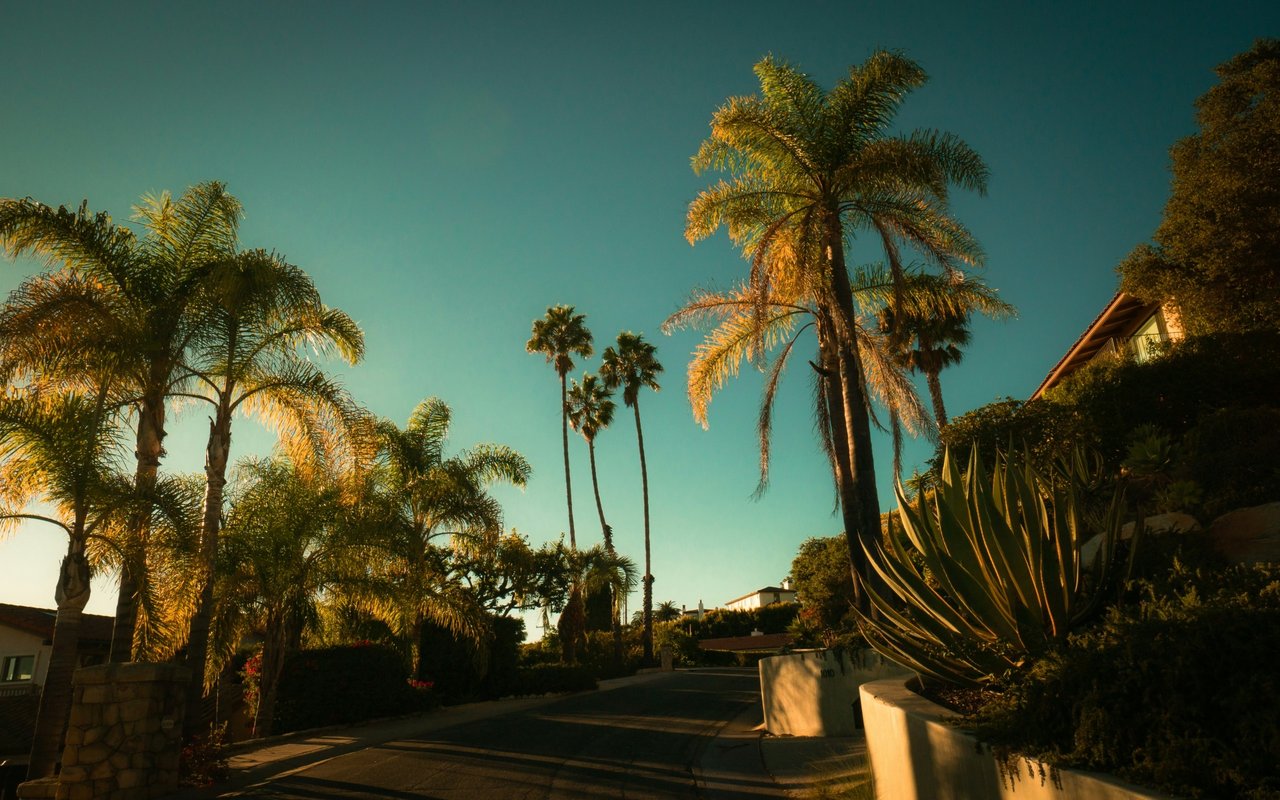
38,597 people live in Grapeland, where the median age is 42.1 and the average individual income is $46,670. Data provided by the U.S. Census Bureau.
Total Population
Median Age
Population Density
Average individual Income
Though the name "Grapeland" rarely appears on modern maps, it describes a distinct and coveted pocket of the Inland Empire: the foothill-adjacent communities stretching toward the San Bernardino Mountains, primarily within the 91739 and 91701 zip codes. The people who live here tend to be dual-income professional households, move-up buyers from the San Gabriel Valley or Orange County, and multi-generational families who have been rooted in the Etiwanda school district for decades. What draws them all is a combination of space, safety, scenic beauty, and a sense of civic pride that is increasingly rare in Southern California suburbia.
The vibe is relaxed but ambitious. On weekdays, residents are out the door before sunrise to beat the 210 commute. On weekends, the pace shifts entirely — morning hikes up to Etiwanda Falls, brunch at Victoria Gardens, youth soccer at Garcia Park, and evenings on the patio watching the sunset burn orange across the valley below. It is a lifestyle that rewards people who want square footage, clean air, top-tier schools, and the mountains within eyeshot — without surrendering access to Los Angeles or the broader Southern California economy.
Grapeland's story is one of ambition, drought, and quiet reinvention — a narrative arc that mirrors California's broader relationship with water, land, and the relentless optimism of westward expansion.
The community was born during the great Southern California real estate boom of the 1880s, a speculative frenzy that transformed the entire region almost overnight. The Grapeland Irrigation District established the settlement in the late 1880s with a singular agricultural vision: to convert the alluvial fans at the base of the San Bernardino Mountains into a thriving viticulture colony, producing Muscat grapes for the raisin trade. Thousands of acres were planted. Victorian-style farmhouses dotted the landscape. In 1894, the Grapeland Schoolhouse was constructed, becoming the social and educational heartbeat of the fledgling colony.
The dream was short-lived. By the mid-1890s, a severe multi-year drought had devastated the vineyards. Without a reliable water supply from Lytle Creek or the mountain watersheds, the grapevines failed, the Irrigation District collapsed under its own debt, and the settlers dispersed. What had been promised as the raisin capital of the Inland Empire became a footnote — absorbed into the neighboring community of Etiwanda, which itself would eventually be incorporated into Rancho Cucamonga in 1977.
The 20th century brought steady suburban growth to the area, accelerating dramatically in the 1980s and 1990s when master-planned residential tracts transformed the former agricultural land into one of the most desirable family communities in San Bernardino County. Spanish Colonial Revival and Mediterranean-style tract homes replaced the Victorian farmhouses. The Etiwanda School District's reputation grew. And gradually, the foothills north of Foothill Boulevard became something the original colonists could never have predicted: premium real estate.
Today, the name "Grapeland" persists mostly in local history circles and on elementary school signage — but the character it represents, a community shaped by aspiration and rooted in the land, is still very much alive.
Grapeland occupies a geographically privileged position that shapes everything about daily life there, from the quality of the air to the color of the evening sky.
Historically situated in what is now the northernmost section of Rancho Cucamonga, the area is roughly centered near the intersection of Victoria Gardens Lane and Day Creek Boulevard, fanning outward toward the foothills. It sits approximately 40 miles east of Downtown Los Angeles and 10 miles west of San Bernardino, placing it squarely in the heart of the Inland Empire's most coveted residential corridor.
The terrain is an alluvial fan — a gently sloping plain built up over millennia by sediment washing down from the mountains. This geology gives the neighborhood its characteristic gradual rise toward the north, where the land eventually gives way to the chaparral and sage scrub of the lower mountain slopes. The soil is rocky and well-drained, which historically made it attractive for viticulture and today contributes to the area's distinctive drought-tolerant landscaping aesthetic.
Climatically, Grapeland experiences a Mediterranean climate: hot, dry summers where temperatures regularly climb into the mid-90s, and mild winters with occasional rain and the possibility of snow visible on the peaks above. The area is also notably exposed to the Santa Ana Winds, which funnel through the nearby Cajon Pass with considerable force during the late summer and autumn months. For new residents, these winds are not a curiosity — they are a defining feature of foothill life that informs everything from landscaping choices to home insurance decisions.
To the north, the San Bernardino National Forest begins its ascent, providing a dramatic natural backdrop and immediate access to trail systems, seasonal waterfalls, and mountain recreation. The surrounding natural environment is dominated by coastal sage scrub and chaparral — beautiful, fire-adapted ecosystems that require residents to be both appreciative and vigilant.
As of early 2026, the Grapeland housing market sits in a state that real estate professionals would describe as balanced, with a slight seller advantage — a meaningful shift from the intensely competitive bidding-war environment of the preceding two years.
The median sale price for homes in the greater Rancho Cucamonga area currently hovers around $835,000, though properties in the northern foothill communities that comprise historic Grapeland frequently trade above $1.1 million, particularly those with mountain views, larger lots, or recent renovations. Year-over-year appreciation has moderated to a healthy 1% to 3%, a normalization after the explosive double-digit gains of the early 2020s, and one that signals long-term stability rather than speculative fragility.
Inventory has improved meaningfully, with a year-over-year increase of roughly 11%. Buyers now have options where previously there were none, though total supply remains below four months, which means sellers still retain pricing leverage in most situations. Homes are averaging 35 to 53 days on market, with fully renovated, turnkey properties frequently going under contract in under three weeks. Sellers are achieving approximately 99% of asking price on well-priced homes, and buyers have cautiously regained the ability to negotiate repairs and closing cost credits — a concession that was virtually unheard of in 2024.
For buyers, the current window represents a rare alignment of relative affordability, expanded inventory, and a neighborhood whose long-term fundamentals — schools, infrastructure, natural amenity, and proximity to regional employment — remain exceptionally strong.
The residential landscape of Grapeland reflects its evolution from agricultural colony to upscale suburb, offering a range of housing options that cater to different lifestyles and price points.
Executive Single-Family Homes dominate the foothill areas and represent the most sought-after housing type in the neighborhood. These are typically large 4- to 5-bedroom residences, many constructed during the 1980s and 1990s building boom, alongside newer custom and semi-custom estates closer to the mountain edge. Architectural styles lean heavily toward Spanish Colonial Revival, Mediterranean, and modern Farmhouse, with generous lot sizes, three-car garages, and outdoor entertaining spaces that take advantage of the mountain views.
Planned Unit Developments and Townhomes are concentrated near the Victoria Gardens district and appeal primarily to professionals seeking lower-maintenance living without sacrificing the zip code's prestige. These properties are well-appointed, often feature shared resort-style amenities, and represent a meaningful entry point into the market for buyers priced out of the single-family segment.
Luxury Condominiums and Apartments are found near the southern edge of the historic Grapeland boundary, in and around the Terra Vista and Epicenter areas. These developments typically feature gated access, fitness centers, pools, and high-end finishes, attracting young professionals and empty nesters in roughly equal measure.
Historic Ranch-Style Homes on larger agricultural lots are increasingly rare but still occasionally surface on the market. These properties carry tremendous character and appeal to buyers seeking land for custom builds or equestrian use, though many are being acquired for their acreage value rather than their existing structures.
Moving to Grapeland is, for most people, a very deliberate decision — and it rewards the residents who arrive prepared.
The single most important acclimation is understanding the Santa Ana Wind season. For foothill residents, this is not an abstract meteorological phenomenon. It is a recurring event that demands fire-resistant landscaping, a 100-foot defensible space maintained around all structures, and outdoor furnishings that are either anchored or stored. New residents should establish relationships with a local insurance broker early — ideally before escrow closes — since availability of standard homeowner's insurance in the Very High Fire Hazard Severity Zone has become increasingly constrained, and California FAIR Plan policies, while available, carry significantly higher premiums.
For families, enrollment in the Etiwanda School District requires proactive action. Individual campuses reach capacity quickly, and the enrollment window for the following fall typically opens in February and March. Verify your school boundaries directly with the district rather than relying on listing information, as boundaries can shift even between adjacent streets.
Commuters should internalize the neighborhood's freeway geometry early: the I-210 and I-15 intersect nearby, and the Rancho Cucamonga Metrolink Station — roughly 10 to 15 minutes south — offers an 80-minute ride to Union Station that can be considerably less stressful than driving into Los Angeles during peak hours. For those traveling frequently, Ontario International Airport is approximately 15 minutes away and consistently ranks among the most painless airport experiences in Southern California.
A final note on local vernacular: almost no one refers to the area as "Grapeland" in casual conversation. You will hear "North Rancho," "Etiwanda," or simply "Rancho." Learning the major intersections — Day Creek and Wilson, Victoria Gardens and Etiwanda — is how you orient yourself and communicate like a local.
Grapeland and the surrounding North Rancho Cucamonga corridor are in the midst of one of the most significant periods of planned growth in the area's recent history, with several projects that will meaningfully shape its character over the coming decade.
The Etiwanda Heights Neighborhood and Conservation Plan is the most consequential land-use decision in the area. Now in active implementation phases as of early 2026, this ambitious project threads the needle between housing production and environmental stewardship — adding new residential units, including higher-density options like duplexes, while simultaneously protecting a substantial conservation area in the foothills that will function as both a habitat preserve and a natural firebreak.
Further south, but with profound implications for the entire region, the Brightline West Cucamonga Station is under development as the western terminus of high-speed rail service to Las Vegas. The surrounding 160-acre "Resort" district is expected to attract luxury apartments, lifestyle retail, and hospitality development that will elevate the entire corridor's commercial profile.
A quieter but critically important project is the Almond Street Evacuation Route, which will connect Almond Street between Carnelian and Via Verde. This is not a housing project — it is a dedicated emergency egress corridor designed specifically to improve wildfire evacuation capacity for foothill residents, and its completion will directly affect both safety and insurance assessments for properties in the upper neighborhoods.
Finally, Victoria Gardens continues its evolution into a genuine urban downtown for the Inland Empire, with recent approvals for additional wrap-around luxury apartments and walkable lifestyle retail that will deepen the area's live-work-play appeal.
Purchasing a home in Grapeland carries a distinct set of considerations that go beyond the standard due-diligence checklist. Getting these right is the difference between a well-informed investment and a costly surprise.
Wildfire risk and insurance sit at the top of every buyer's list. A significant portion of Grapeland is designated as a Very High Fire Hazard Severity Zone, and the implications are financial as well as physical. Traditional homeowner's insurance has become difficult to obtain for many foothill properties; buyers should budget for California FAIR Plan premiums and factor that cost into their total monthly housing expense before making an offer. Properties with documented fire-resistant features — ember-resistant vents, Class A roofing, non-combustible exterior finishes — carry measurable insurance and resale advantages.
Mello-Roos special tax assessments are a standard feature of many Etiwanda-area homes, particularly those built in the 1990s and 2000s. These assessments can add several thousand dollars annually to a property's effective tax burden and do not appear in the base property tax rate. Always request a full tax breakdown from the seller and verify Mello-Roos expiration dates before proceeding.
HOA fees across the Grapeland area range from $150 to over $400 per month, and the quality of HOA management varies considerably. Review at least two years of HOA meeting minutes and financials to assess reserve fund health and any looming special assessments.
School boundary verification is non-negotiable for families. Do not rely on listing descriptions — contact the Etiwanda School District directly to confirm which campus serves a specific parcel.
Wind exposure and construction quality deserve careful attention for foothill properties. Look for dual-paned tempered windows, sturdy masonry or hardiplank siding, and metal or vinyl fencing rated for high-wind conditions. Standard vinyl fencing frequently fails in severe Santa Ana events.
Selling in Grapeland in 2026 requires strategic precision. The market rewards sellers who are well-prepared and penalizes those who approach it with the assumptions of the 2021–2023 boom years.
Pricing discipline is paramount. With the market now balanced, overpricing by even 3% to 5% produces a measurable consequence: extended days on market, price reductions that generate stigma, and a final sale price that frequently falls below what a well-priced listing would have achieved from the start. A Value Range Pricing strategy has gained traction in North Rancho for its ability to attract a broader buyer pool and create competitive tension.
The target buyer demographic for Grapeland is primarily move-up households relocating from the San Gabriel Valley or Orange County — dual-income professionals in their late 30s to early 50s who prioritize school quality, square footage per dollar, and outdoor lifestyle. Marketing materials, staging, and photography should speak directly to that buyer's aspirations. Mountain views, outdoor entertaining areas, and mature landscaping are among the most compelling visual assets a Grapeland listing can offer.
Renovations with the highest ROI in this market currently include quartz countertops, neutral "greige" or warm white interior palettes, EV charger installation, smart irrigation systems, and updated primary bathrooms. Buyers in this price range expect to move in without a renovation project, and the "turnkey premium" is real.
Seasonal timing matters. The Grapeland spring market begins in late March and peaks through May, driven by families seeking to be settled before the Etiwanda school year begins in August. Listing in late autumn — particularly during active wind and fire season — introduces both psychological hesitation from buyers and practical complications around inspections and insurance.
2026 staging trends favor Biophilic Design: natural wood tones, stone accents, organic textures, and abundant indoor greenery that mirrors the natural mountain environment visible from the windows. It is a cohesive aesthetic choice that resonates strongly with the Grapeland buyer profile.
The culinary and entertainment landscape of Grapeland centers on Victoria Gardens, one of Southern California's most successful open-air lifestyle centers, which functions as the neighborhood's de facto downtown. Within walking distance of its tree-lined promenades, residents have access to a dining spectrum that ranges from casual weeknight staples to genuinely notable date-night destinations.
For upscale dining, Fleming's Prime Steakhouse & Wine Bar and Seasons 52 represent the neighborhood's fine dining anchors, with the latter emphasizing seasonal menus and a wine program that earns consistent praise. History seekers head slightly south on Route 66 to the Sycamore Inn Prime Steakhouse, a landmark that has anchored the corridor since the 1840s and remains one of the most atmospheric dining experiences in the Inland Empire.
For everyday dining, the neighborhood punches well above its suburban weight. Lazy Dog Restaurant & Bar draws crowds with its lodge-inspired interior and dog-friendly patio. Marugame Udon delivers hand-crafted Japanese noodles that local food enthusiasts rank among the best in the region. Mezzaterranean satisfies a loyal following with its fresh shawarma and hummus.
Entertainment options are anchored by Punch Bowl Social, which combines upscale cocktails with bowling and arcade games in a high-energy format popular with both young professionals and families. The AMC Victoria Gardens 12 handles the cinematic demand, while the Victoria Gardens Cultural Center's Lewis Family Playhouse elevates the neighborhood's cultural identity with professional theater and live performances that rival programming found much closer to Los Angeles.
Grapeland benefits from one of the strongest retail corridors in the Inland Empire, ranging from walkable luxury shopping to practical big-box convenience — all within a short radius of the residential core.
Victoria Gardens is the neighborhood's retail crown jewel, a thoughtfully designed open-air center that houses major national brands including Apple, Zara, lululemon, Anthropologie, and Macy's alongside specialty boutiques like Paper Source and various high-end skincare and jewelry retailers. Its walkable design, pocket parks, and activated street life make it genuinely pleasant as a destination rather than a chore.
Grocery options are well-distributed throughout the area. Ralphs at Day Creek Village (Highland and Day Creek) serves as the primary full-service grocery hub for Grapeland residents. Vons on Haven Avenue provides a reliable alternative with an excellent pharmacy and bakery. Health-conscious shoppers are well-served by both Sprouts Farmers Market and Trader Joe's a short distance south in the central Rancho corridor.
For essential household and home improvement needs, the Etiwanda/Foothill corridor delivers a Walmart Supercenter, Home Depot, and Target within a 5- to 10-minute drive in any direction — the kind of logistical convenience that residents quickly come to take for granted and genuinely miss when they leave.
If there is a single quality of life argument that Grapeland makes most compellingly, it is this: no comparable suburb in the Inland Empire offers the same immediate access to serious outdoor recreation.
The North Etiwanda Preserve and the Etiwanda Falls Trail are the neighborhood's outdoor centerpiece. The 3.4-mile round trip to a seasonal waterfall — with sweeping views of the entire Inland Empire on clear mornings — has become a community ritual. Trailhead parking fills early on weekends, and for good reason.
The Pacific Electric Trail, just south of the historic Grapeland boundary, provides 21 miles of paved multi-use path along a historic railway corridor. Cyclists, runners, and weekend walkers all use it as a primary recreational artery, and its connectivity to adjacent trail networks extends the potential mileage considerably.
For structured park recreation, Central Park (30 acres) offers a substantial playground, fitness stations, and an outdoor pavilion, while Garcia Park in the northern neighborhoods serves the community's soccer and basketball demand with well-maintained fields and courts.
Golfers have strong options nearby. The Red Hill Country Club — a private 18-hole championship course operating since 1921 — serves the neighborhood's private membership community, while Sierra Lakes in Fontana and Upland Hills provide accessible public alternatives within 10 to 15 minutes.
For seasonal adventure, Grapeland's mountain adjacency becomes genuinely transformative. Mount Baldy is roughly 45 minutes away for winter skiing. Lake Arrowhead is approximately an hour for summer boating and mountain escape. These are not distant aspirations — they are regular weekend realities for Grapeland residents.
The culture of Grapeland is layered in a way that takes some time to read, but rewards the resident who pays attention. On the surface, it looks like a prosperous Southern California suburb. Underneath, it carries the weight of a specific place with a specific story.
The dominant cultural ethos is what long-time residents call the "Etiwanda Way" — a community orientation toward family stability, academic achievement, and civic participation. Multi-generational households are common. It is not unusual to meet residents whose parents attended Etiwanda schools, whose children now do the same, and who turn out reliably for school board meetings and community planning hearings. This is not a transient neighborhood.
The area's agricultural heritage is honored rather than forgotten. The annual Grape Harvest Festival, traditionally held in October, grounds the community in its viticultural origins. Vineyard-style stone monument walls, ornamental grape plantings, and agricultural references in neighborhood branding serve as continuous reminders that this land once produced something before it housed people.
Contemporary cultural life reflects the Inland Empire's evolving diversity with energy and authenticity. The annual Lunar Festival — held in January or February — has grown into one of the city's largest community events, drawing thousands with lion dances, night-market food stalls, and cross-cultural celebration. The Community Arts Festival each April at Central Park showcases local visual and performing arts with a vitality that regularly surprises first-time attendees.
The weekly rhythm has its own personality. Weekdays are purposeful and fast-paced. Weekends slow down conspicuously — and that shift is cultural, not incidental. The "Rancho Slowdown" is a genuine thing, and new residents tend to embrace it quickly.
The quality of public education in Grapeland is, for many buyers, the deciding factor — and the reputation is well-earned rather than merely marketed.
The neighborhood is served by the Etiwanda School District for grades K–8 and the Chaffey Joint Union High School District for grades 9–12, both of which perform at or near the top of their respective categories in San Bernardino County.
Grapeland Elementary, the namesake school of the neighborhood, holds consistently top-three rankings among public elementary schools in the county, with proficiency rates in the low-to-mid 80th percentile for reading and 73% for mathematics. John L. Golden and Carleton P. Lightfoot Elementary are strong alternatives within the district, both carrying "A" grades from national rating platforms.
At the middle school level, Day Creek Intermediate is the district's flagship — known for competitive academics, broad extracurricular programming, and strong parent involvement. For high school, both Rancho Cucamonga High School and Los Osos High School carry A+ national rankings. Los Osos, located closest to the Grapeland foothills, draws particular loyalty for its campus culture, athletic programs, and slightly more intimate scale.
Private options include Sacred Heart Parish School (Catholic K–8, serving the community since 1965) and United Christian Academy (K–12). Early childhood programs through Tutor Time and Guidepost Montessori are accessible within a 10-minute drive.
For higher education, Chaffey College — one of California's top community colleges — is located approximately 3 miles away. The prestigious Claremont Colleges consortium (including Harvey Mudd and Pomona College) is 15 to 20 minutes west. CSU San Bernardino is accessible in about 20 minutes via the I-210.
Grapeland's commute profile is one of its most genuinely practical advantages — particularly for the dual-income professional households that make up its core demographic.
The neighborhood sits at the convergence of two of Southern California's most important freeway corridors. The I-210 (Foothill Freeway) provides direct east-west access to Pasadena, the San Fernando Valley, and the broader Los Angeles basin. The I-15, just a few miles east, connects south toward San Diego and north toward the High Desert and Las Vegas. For surface street navigation, Historic Route 66 (Foothill Boulevard) runs parallel to the 210 and serves the neighborhood's daily commercial corridor with efficiency.
For those committed to avoiding freeway driving, the Rancho Cucamonga Metrolink Station — approximately 10 to 15 minutes south — offers an 80-minute ride to L.A. Union Station on the San Bernardino Line. This option has seen increased ridership as the I-210's peak-hour congestion has worsened, and the math of time and stress often favors the train for regular LA commuters.
Looking ahead, the forthcoming Brightline West Cucamonga Station will add high-speed rail connectivity to Las Vegas beginning in 2026 or 2027, further elevating the area's regional accessibility and making it a genuine multi-modal hub.
For air travel, Ontario International Airport — approximately 15 minutes away — is widely regarded as one of the most efficient and low-stress airports in Southern California, a significant quality-of-life advantage for residents who travel frequently for business.
Estimated commute times from Grapeland: Downtown Los Angeles runs 45 to 60 minutes off-peak and 90 or more during rush hour; Irvine and Orange County is 50 to 70 minutes via the I-15 and SR-91; San Bernardino is a straightforward 15 to 20 minutes.
Within the broader Grapeland footprint, certain micro-locations have developed strong reputations among buyers who are willing to pay a premium for the best of what the neighborhood offers.
The streets immediately north of Wilson Avenue between Day Creek Boulevard and Etiwanda Avenue represent some of the most sought-after addresses in North Rancho Cucamonga, combining foothill proximity, mountain sightlines, and lot sizes large enough for meaningful outdoor living. Properties here tend to hold value exceptionally well and rarely linger on the market.
The Victoria Groves and Heritage collections — master-planned estate communities in the upper northern tracts — appeal to buyers seeking newer construction with custom-adjacent finishes, three-car garages, and HOA-managed common areas that maintain neighborhood aesthetics at a high standard.
Along the Etiwanda Avenue corridor toward the mountain edge, a smaller collection of older ranch homes on larger agricultural parcels represents arguably the most character-rich real estate in the area. These are the properties closest in spirit to Grapeland's original agricultural identity — and in a market that increasingly prizes authenticity and land, they command considerable buyer interest.
The proximity to Etiwanda Falls trailhead also adds a premium to properties in the far northeastern portion of the neighborhood, where homes essentially back up to the preserve. For buyers who prioritize the outdoor lifestyle above all else, these addresses are the undisputed top of the market.
Ask a Grapeland resident why they live there, and you will rarely get a single answer. The neighborhood's appeal is accumulative — it builds from a combination of tangible advantages and ineffable qualities that are difficult to articulate until you experience them.
The schools are exceptional. The mountain views are genuinely breathtaking. The air quality, while imperfect by coastal standards, is meaningfully better than the flatland communities to the south and west. The outdoor recreation is immediate and serious. The commute infrastructure — two major freeways, a Metrolink station, an accessible airport — provides optionality that few comparable communities can match.
But beyond the checklist, there is something about the scale and texture of life in Grapeland that resonates with residents on a more personal level. The mountains feel close enough to be yours. The neighborhood feels stable enough to plant roots without anxiety. The community is diverse, civically engaged, and genuinely invested in its own continuity. Children grow up here with space, safety, and the kind of daily contact with natural beauty that shapes a person.
For buyers weighing the Inland Empire's options — or comparing Grapeland against better-marketed coastal alternatives — the honest case is this: very few places in Southern California give you this much quality of life for what you pay. That equation is why people come, and it is why they stay.
Navigating the Grapeland market — whether you are buying your first foothill home, selling an estate you have spent decades in, or simply trying to understand what this neighborhood can offer — is a process that benefits enormously from local expertise and honest counsel.
Michael Mucino and Lisa Mucino of Camden McKay Realty bring exactly that. With deep roots in the North Rancho Cucamonga and Etiwanda communities, Michael and Lisa combine comprehensive market knowledge with the kind of personalized attention that the high-stakes nature of real estate demands. They understand the nuances of foothill pricing, the specifics of Mello-Roos structures, the rhythm of Grapeland's seasonal market, and what it takes to position a property — or a buyer — for the best possible outcome.
Whether you are relocating to the area and need a trusted guide through the buying process, or you are a long-time resident ready to make your next move, Michael and Lisa are the team that Grapeland buyers and sellers trust. Reach out to Camden McKay Realty to start the conversation — and let the neighborhood speak for itself.
There's plenty to do around Grapeland, including shopping, dining, nightlife, parks, and more. Data provided by Walk Score and Yelp.
Explore popular things to do in the area, including Holiday Haydee Strawberries, Oh So Yummy Mini Pancakes, and Crumbake.
| Name | Category | Distance | Reviews |
Ratings by
Yelp
|
|---|---|---|---|---|
| Dining | 0.03 miles | 0 reviews | 0/5 stars | |
| Dining | 0.03 miles | 1 review | 1/5 stars | |
| Dining | 0.81 miles | 2 reviews | 5/5 stars | |
| Dining · $$ | 0.81 miles | 5 reviews | 5/5 stars | |
| Dining | 0.81 miles | 2 reviews | 3.5/5 stars | |
| Active | 0.03 miles | 0 reviews | 0/5 stars | |
| Active | 0.03 miles | 0 reviews | 0/5 stars | |
| Active | 0.15 miles | 1 review | 5/5 stars | |
| Active | 0.44 miles | 1 review | 5/5 stars | |
| Active | 0.55 miles | 11 reviews | 3.6/5 stars | |
| Beauty | 0.03 miles | 0 reviews | 0/5 stars | |
| Beauty | 0.03 miles | 1 review | 5/5 stars | |
| Beauty | 0.03 miles | 1 review | 1/5 stars | |
| Beauty | 0.03 miles | 0 reviews | 0/5 stars | |
| Beauty | 0.03 miles | 0 reviews | 0/5 stars | |
| Beauty | 0.03 miles | 0 reviews | 0/5 stars | |
| Beauty | 0.03 miles | 0 reviews | 0/5 stars | |
| Beauty | 0.11 miles | 0 reviews | 0/5 stars | |
| Beauty | 0.81 miles | 0 reviews | 0/5 stars | |
| Beauty | 0.81 miles | 0 reviews | 0/5 stars | |
| Beauty | 0.81 miles | 5 reviews | 5/5 stars | |
| Beauty | 0.81 miles | 0 reviews | 0/5 stars | |
|
|
||||
|
|
||||
|
|
||||
|
|
||||
|
|
||||
|
|
Grapeland has 12,947 households, with an average household size of 2.96. Data provided by the U.S. Census Bureau. Here’s what the people living in Grapeland do for work — and how long it takes them to get there. Data provided by the U.S. Census Bureau. 38,597 people call Grapeland home. The population density is 5,222 and the largest age group is Data provided by the U.S. Census Bureau.
Total Population
Population Density Population Density This is the number of people per square mile in a neighborhood.
Median Age
Men vs Women
Population by Age Group
0-9 Years
10-17 Years
18-24 Years
25-64 Years
65-74 Years
75+ Years
Education Level
Total Households
Average Household Size
Average individual Income
Households with Children
With Children:
Without Children:
Blue vs White Collar Workers
Blue Collar:
White Collar:
Explore Other Neighborhoods
14007 Galliano Court Rancho Cucamonga, CA 91739
Michael Mucino | CA DRE# 01374697
Lisa Mucino | CA DRE# 01976041
14007 Galliano Court Rancho Cucamonga, CA 91739
Michael Mucino | CA DRE# 01374697
Lisa Mucino | CA DRE# 01976041