Contact
Address
14007 Galliano Court
Rancho Cucamonga, CA 91739
Michael Mucino | CA DRE# 01374697
Lisa Mucino | CA DRE# 01976041
By the Numbers
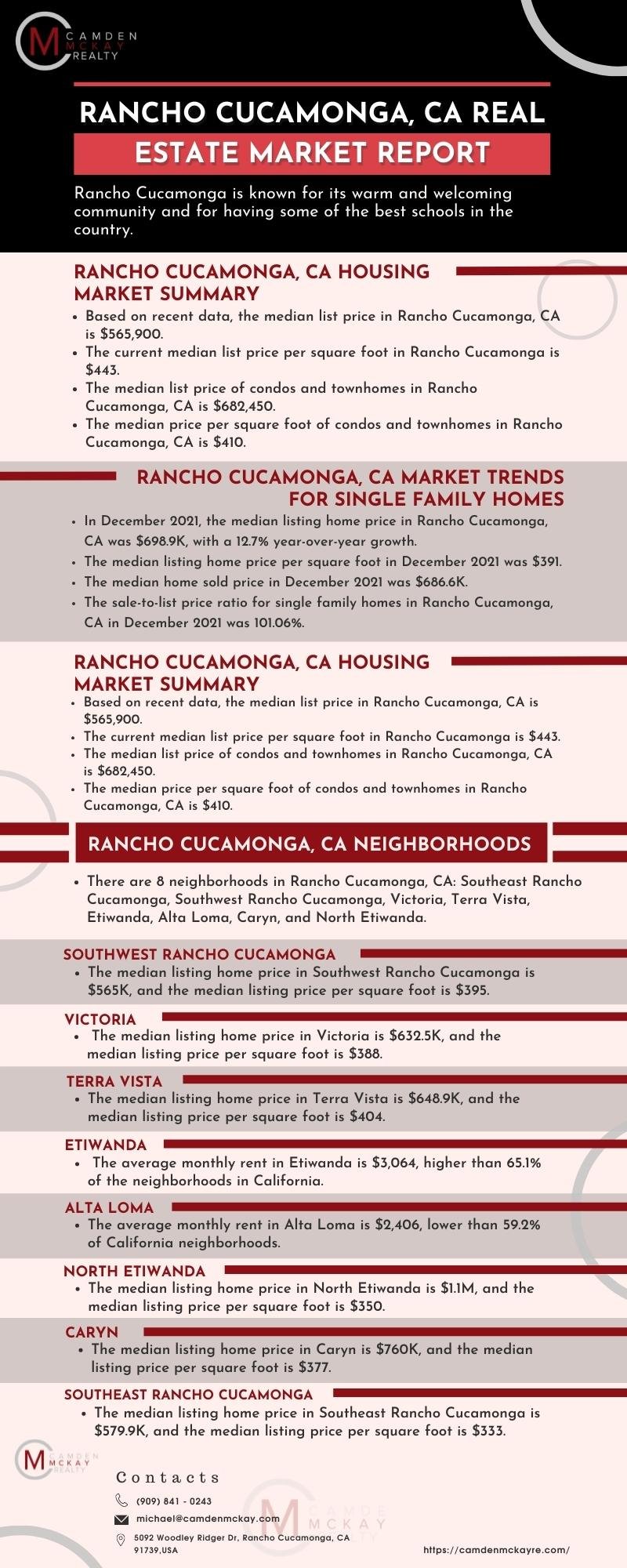
The Rancho Cucamonga housing market has transitioned into a highly balanced, neutral territory as buyers navigate a landscape shaped by stabilized mortgage rates and increased caution. While the total volume of homes sold has seen a modest year-over-year increase—climbing to 276 transactions—overall buying competition has cooled compared to the frantic paces of prior years, causing the median sale price to contract slightly by 4.4%. Properties are resting on the market a bit longer, taking a median of 41 days to go under contract compared to 33 days at this same time last year. Sellers are still pulling in close to their asking prices, capturing roughly 99% of their initial list price, which indicates that while buyers have recovered some negotiating leverage and breathing room, home values are resisting any severe downward trends.
Buying a condo in Rancho Cucamonga provides immediate, highly integrated access to some of the finest master-planned infrastructure in Southern California, particularly within premier developments like Terra Vista and Victoria. Unlike older, organically grown condo markets across coastal California or other parts of the country where multi-family complexes are often squeezed into pre-existing, congested blocks, Rancho Cucamonga’s condos were built as intentional anchoring components of a grand design. Purchasing a condo here grants you all the practical perks of low-maintenance living while placing you within walking distance of pristine open-air lifestyle centers like Victoria Gardens and the beautifully maintained Pacific Electric Trail. You are effectively securing a entry point into a master-planned ecosystem featuring award-winning schools, beautifully curated parks, and exceptional municipal safety—amenities that are usually priced entirely out of reach for condo buyers in competitive coastal hubs.
From a geographic standpoint, purchasing a condo specifically in Rancho Cucamonga offers a logistical advantage that cannot be replicated by properties in central Los Angeles, Orange County, or out-of-state suburban markets. Positioned strategically at the junction of the Interstate 10, Interstate 15, and the 210 freeway, the city functions as a master transit gateway. For a condo owner, this translates to an effortless pivot point: you are a manageable commute away from the employment epicenters of major coastal counties, yet positioned right next door to Ontario International Airport. Furthermore, the city is building the future-forward HART District, which includes the Cucamonga Station—the primary Southern California terminal for the upcoming Brightline West high-speed electric rail to Las Vegas. This specialized local infrastructure uniquely insulates local property values, transforming a standard condominium purchase into a forward-thinking investment in a major transportation hub.
When contrasted against the broader California real estate landscape, buying a condo in Rancho Cucamonga yields a massive advantage in localized purchasing power without sacrificing standard of living. Coastal regions like San Diego, the Bay Area, or West Los Angeles present staggering premium entry costs where a small condo easily commands a million-dollar price tag. By contrast, Rancho Cucamonga’s condo market features highly competitive pricing (with units routinely moving in the $500,000 to $650,000 range), allowing buyers to retain significant capital while still enjoying a city ranked as one of the safest and most affluent in the Inland Empire. It represents a rare economic sweet spot within the state: it avoids the hyper-inflation of the coast, yet sidesteps the extreme summer heat, lack of infrastructure, and isolation found deeper in the desert or out-of-state exurbs. You are buying into a high-end, clean suburban standard of living at a fraction of the cost of the nearby coastal basins.
The southern edge of Rancho Cucamonga is undergoing a massive structural transformation centered around the HART District (Haven Avenue, Arrow Route, Rochester Avenue Transit district). This area anchors the Cucamonga Station, the exclusive Southern California terminus for Brightline West—the high-speed electric rail connecting Southern California directly to Las Vegas. Buying a condo within or adjacent to this zone means investing in a high-density, mixed-use urban epicenter. You must carefully evaluate how close a condo complex sits to this line. Properties in developments like The Resort feature premium pedestrian access to what will be a world-class travel hub, which dramatically alters long-term property valuation and rental demand compared to anywhere else in the Inland Empire. However, proximity also brings increased localized foot traffic and evolving master plans. We can pull the exact master planning maps for the HART district to show you which upcoming developments will directly border your prospective complex.
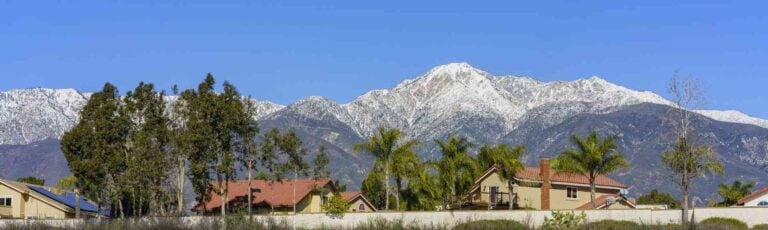
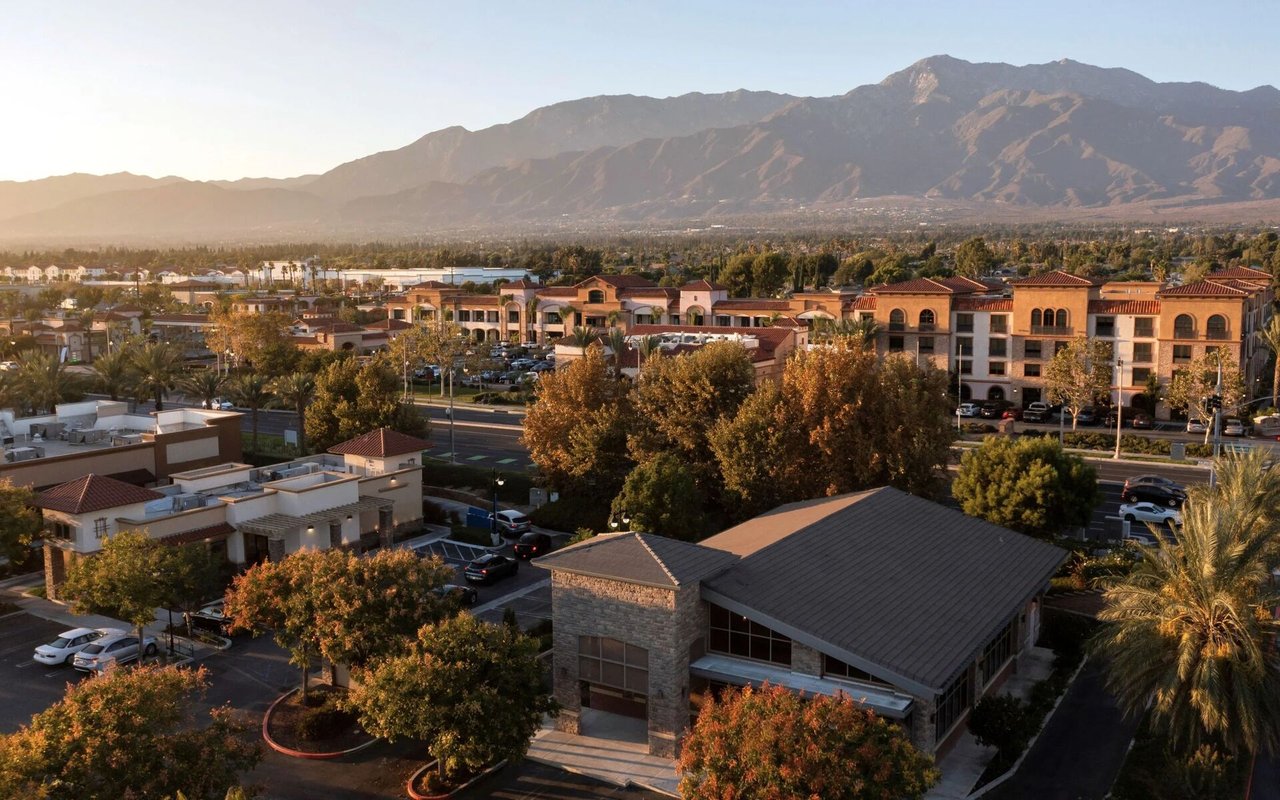
Rancho Cucamonga sits directly beneath the massive Cajon Pass, a unique topographical funnel that creates intense, localized wind patterns. What many out-of-town buyers fail to realize is that the city’s climate changes dramatically over just a few blocks. Condos situated in the northern foothills—such as those bordering Alta Loma or parts of northern Etiwanda—experience fierce, high-velocity Santa Ana wind gusts that can strip paint, down heavy tree limbs, and rattle windows.
When purchasing a condo here, you must look closely at the Homeowners Association (HOA) structural insurance policy and reserve studies. Complexes in the high-wind zones require more frequent roof maintenance, stucco repair, and specialized landscaping wind-buffers, which can quietly drive up monthly assessments or lead to sudden special assessments. If you want to isolate units located safely outside these high-impact wind zones, reach out to us so we can highlight complexes built with enhanced wind-mitigation designs.
For buyers looking at condos as a family starter home or a long-term investment, school tracking is incredibly nuanced in Rancho Cucamonga. The city is fractured into multiple elementary and high school districts. The crown jewel is the Etiwanda School District (known for its award-winning, top-tier test scores), paired with the Chaffey Joint Union High School District.
Because condo developments are clustered heavily along major thoroughfares like Foothill Boulevard, Church Street, and Terra Vista Parkway, a single street can split a complex into entirely different school assignments. A condo zoned for Etiwanda schools commands a distinct pricing premium and holds its value significantly better during market downturns than an identical unit just 50 feet away zoned for a neighboring district. We can cross-reference active MLS condo inventory with the exact municipal school boundary maps to ensure you don’t accidentally buy on the wrong side of the street.
Unlike older cities in Los Angeles County, a massive portion of Rancho Cucamonga’s premium multi-family inventory was built post-1980 under specialized master-planned guidelines. Because of this, newer, highly desirable condo communities—especially those built in the eastern regions near Etiwanda or the brand-new residential pockets around the stadium—are frequently subject to Mello-Roos Community Facilities District (CFD) taxes.
These are supplemental property taxes used to fund municipal infrastructure like schools, roads, and fire stations. When you buy a condo here, you could find yourself paying standard property taxes, a monthly HOA fee, and a costly annual CFD bond tax itemized on your tax bill. Understanding when these local bonds are set to expire is crucial to calculating your true monthly carrying costs. We can pull the exact tax assessor breakdown for any condo unit you are eyeing to show you the precise expiration dates of those underlying bonds.
Rancho Cucamonga is famous for its massive, master-planned corporate footprints, primarily executed by the Lewis Group of Companies. If you buy a condo within massive hubs like Terra Vista or Victoria, you aren’t just joining a single condo association; you are often buying into a multi-layered governance system.
Your property will have its own immediate sub-association (responsible for your building's roof, trash, and local courtyard), but it will also be subject to the sweeping master-association rules that dictate city-wide landscaping, architectural consistency, and massive shared recreational facilities. This dual-layer structure ensures beautifully pristine neighborhoods, but it also means navigating two separate rulebooks (CC&Rs) regarding pet restrictions, vehicle parking, and rental caps. Before you submit an offer, let us request the complete HOA package from these dual-management boards so we can review their financial health and restriction clauses together.
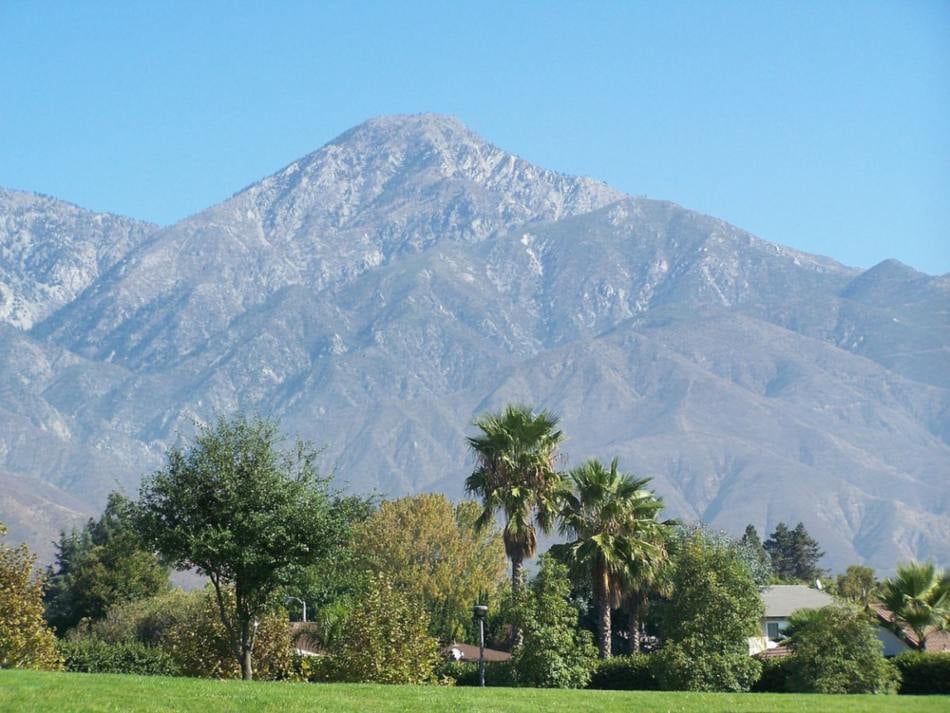
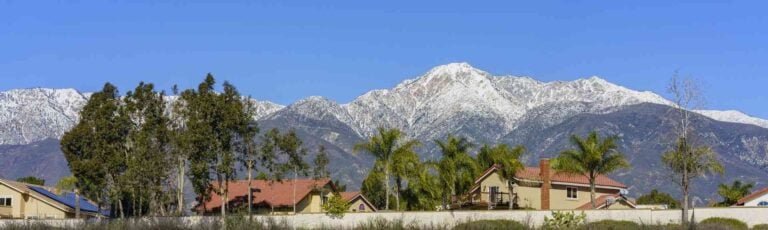
Geographically, the city sits on massive alluvial fans spilling out from the San Gabriel Mountains, directly intersecting the Cucamonga Fault Zone (a major component of the Sierra Madre fault system). Furthermore, the city manages specialized water spreading grounds designed to capture mountain runoff and recharge local underground basins.
Certain condo developments located in the northernmost sectors or near specific floodway channels require unique geotechnical disclosures. This structural reality influences HOA earthquake insurance premiums, which directly impact your monthly dues. When evaluating a condo, it is imperative to analyze how the association distributes earthquake or flood liabilities. We can check the California Geological Survey maps against current condo complexes to verify exactly where these fault traces lie in relation to a building's foundation.
Navigating the highly specific local intricacies of the Rancho Cucamonga condo market requires deep, local geographic and financial expertise. Whether you want to dig deeper into upcoming transit developments, review HOA financial health, or isolate units with the lowest tax footprints, we are here to protect your investment.




14007 Galliano Court Rancho Cucamonga, CA 91739
Michael Mucino | CA DRE# 01374697
Lisa Mucino | CA DRE# 01976041
14007 Galliano Court Rancho Cucamonga, CA 91739
Michael Mucino | CA DRE# 01374697
Lisa Mucino | CA DRE# 01976041